
Introduction
The mobile gaming industry is evolving faster than ever, and Unity 3D continues to stand at the center of this revolution (unity 3d mobile).
In 2026, simply building a great game is no longer enough; developers must think strategically about how to turn their creativity into sustainable revenue.
Whether you’re an indie creator or part of a growing studio, understanding the best ways to monetize Unity 3D mobile games can be the difference between a passion project and a profitable success story.
From advanced in-app purchase models to innovative ad strategies and player-centric monetization techniques, today’s landscape offers more opportunities than ever before.
But with these opportunities comes competition, and only those who prioritize user experience alongside smart monetization will truly stand out ( unity 3d mobile ).
In this guide, we’ll explore the most effective, future-ready methods to monetize Unity 3D mobile games in 2026, helping you maximize revenue while keeping your players engaged, satisfied, and coming back for more.
Best Ways To Monetize Unity 3D Mobile Games In 2026
In 2026, mastering the best ways to monetize Unity 3D mobile games means going beyond basic ads and in-app purchases.
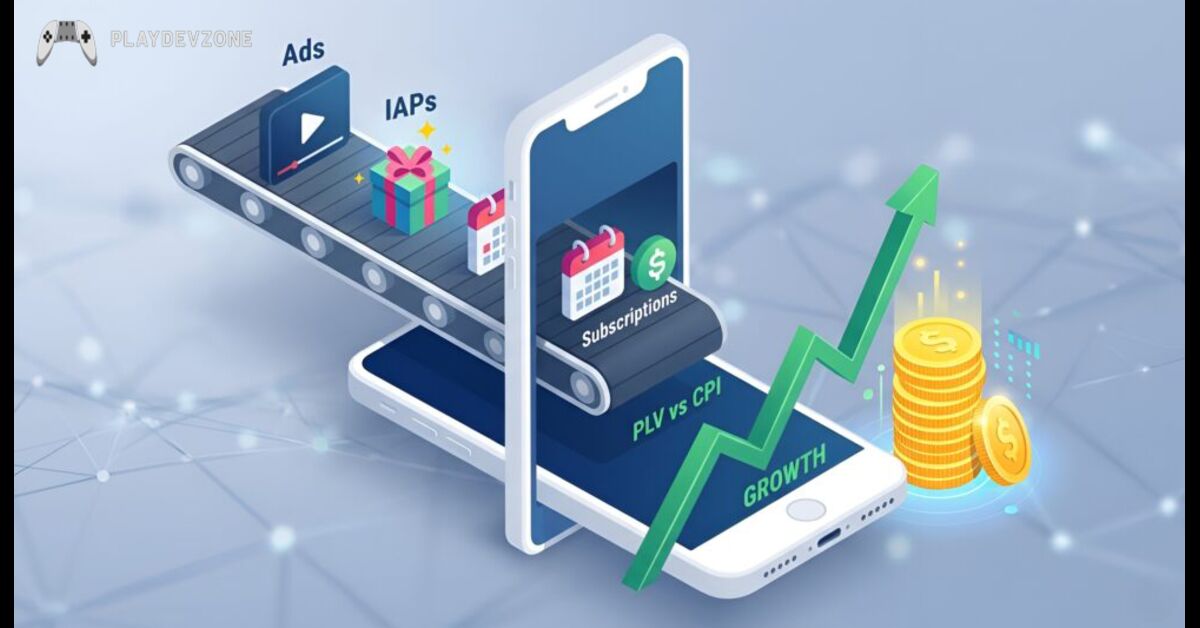
Successful developers are combining rewarded ads, subscriptions, and personalized offers to create seamless revenue streams without disrupting gameplay.
By focusing on player experience and smart monetization strategies, you can boost engagement while maximizing profits ( unity 3d mobile ).
Whether you're building your first game or scaling a hit title, adopting innovative, user-friendly monetization techniques is key to turning your Unity 3D game into a long-term success story.
Top Monetization Models for Unity 3D Games in 2026
1. Free-to-Play (F2P) + In-App Purchases (IAP)
This is still the dominant revenue model.
How it works:
The game is free
Revenue comes from:
Skins / cosmetics
Currency packs
Boosters / time-savers
Why it dominates:
~60–64% of total mobile game revenue comes from IAP
Scales extremely well with large audiences
Works best for mid-core & competitive games
2026 best practices:
Focus on cosmetics over pay-to-win
Use bundles & limited-time offers (higher conversion)
Design monetization into gameplay early (not after launch)
Best for: RPGs, strategy, shooters, simulation
2. In-Game Advertising (IAA)
Essential for monetizing non-paying players.
Formats:
Rewarded video ads (most effective)
Interstitial ads
Banner ads (least effective)
Why it matters:
Monetizes ~95%+ of players who never pay
Accounts for ~26% of mobile game revenue ( unity 3d mobile )
2026 trends:
Rewarded ads tied to gameplay (revives, bonuses)
Shorter, skippable, interactive ads
Real dev insight (from Reddit):
“Rewarded ads bring $0.001–$0.03 per view… volume matters.”
Best for: Hyper-casual, casual, and idle games
3. Hybrid Monetization ( MOST IMPORTANT in 2026)
This is the current industry standard.
Combination of:
IAP + Ads + Battle Pass + Subscriptions
Why it wins:
~72% of developers now use hybrid models
Captures both spenders + non-spenders
Typical structure:
Ads for free users
IAP for engaged users
Battle pass for retention
Optional subscription for VIP users
Best for: Almost all modern Unity games (especially hybrid-casual)
4. Battle Pass / Seasonal Pass
A high-retention monetization system.
How it works:
Players pay for a season (monthly/quarterly)
Unlock rewards via gameplay progression
Why it’s powerful:
Encourages daily engagement
Predictable revenue stream
Works well with live events
2026 insight:
Battle passes increase purchase intent by ~70% when tied to events.
Best for: Multiplayer, live-service, progression-heavy games ( unity 3d mobile )
5. Subscription Model (VIP / Premium)
Growing steadily in 2026.
Examples:
Monthly VIP membership
Ad-free experience
Daily rewards or currency
Why it’s rising:
Predictable recurring revenue
5–12% conversion rates in some genres
Use cases:
“Remove Ads” + perks
Exclusive content / boosts
Best for: Simulation, idle, casual, hybrid games
6. Pay-to-Download (Premium Games)
Less common but still viable.
How it works:
One-time purchase to download
Reality in 2026:
Hard to scale on mobile
Works only with:
Strong brand
Niche or premium audience
Best for: Indie premium titles, PC/console ports
7. Gacha / Loot Box Systems
Highly profitable (but controversial).
How it works:
Randomized rewards via paid pulls
Why it works:
Drives high spending from “whales.”
~32% of IAP revenue in some genres
Risk:
Regulatory scrutiny
Must avoid exploitative design
Best for: RPGs, anime-style games
Advanced Monetization Strategies (2026 Trends)
In 2026, advanced monetization strategies are reshaping how mobile games generate revenue ( unity 3d mobile ).
Developers are leveraging AI-driven personalization to deliver tailored offers, dynamic pricing, and smarter ad experiences that align with player behavior.
Emerging trends such as hybrid monetization, subscription tiers, and limited-time content help generate consistent income while boosting user retention.
Forward-thinking studios are also exploring blockchain-based assets and play-to-earn models, opening new opportunities for player ownership and engagement.
By embracing these cutting-edge approaches, you can stay ahead of the competition and build a monetization system that feels rewarding, not intrusive for your players.
Optimizing Monetization Without Hurting User Experience
Optimizing monetization without hurting user experience is the secret to sustainable growth in modern mobile games.
Instead of forcing purchases or flooding players with ads, focus on delivering meaningful choices like optional rewarded ads, fair pricing, and value-packed in-app offers.
A smooth gameplay flow, balanced difficulty, and respectful monetization design build trust and keep players engaged longer.
When users feel valued rather than pressured, they’re more likely to support your game willingly ( unity 3d mobile ).
By putting player satisfaction first, you create a win-win strategy that drives both loyalty and consistent revenue.
Tools & SDKs for Monetizing Unity Games
Choosing the right tools & SDKs for monetizing Unity games can dramatically impact your revenue and player experience.
Modern solutions like Unity Ads, AdMob, and ironSource enable seamless ad integration, while analytics platforms help you understand player behavior and optimize performance ( unity 3d mobile ).
By combining monetization SDKs with A/B testing and real-time data insights, developers can fine-tune ad placements, pricing, and offers for maximum results.
The key is to use these tools strategically, ensuring monetization feels natural, not disruptive, so you can grow your game sustainably while keeping players engaged and satisfied.
Common Mistakes to Avoid
Avoiding common mistakes is crucial if you want your game to succeed in a competitive market.
Many developers lose revenue by overloading players with ads, setting unfair prices, or ignoring user feedback ( unity 3d mobile ).
Poor onboarding, lack of testing, and unbalanced gameplay can quickly drive users away.
Instead, focus on creating a smooth, enjoyable experience while refining your monetization strategy through data and player insights.
When you avoid these pitfalls and prioritize value, you build trust, improve retention, and create a stronger foundation for long-term success.
Future of Unity Game Monetization
The future of Unity game monetization is shifting toward smarter, player-first experiences powered by data and innovation.
In 2026 and beyond, developers are embracing AI-driven personalization, dynamic in-game offers, and hybrid models that combine ads, subscriptions, and in-app purchases seamlessly ( unity 3d mobile ).
Emerging technologies like cloud gaming and digital ownership are also opening new revenue possibilities. The key trend is clear: monetization must enhance not interrupt the player journey.
By staying ahead of these changes and focusing on value, developers can build sustainable income streams while creating games players truly enjoy and support.
FAQ (Frequently Asked Questions)
What is the most profitable monetization method for Unity games?
The most profitable monetization method for Unity games is typically a hybrid model combining in-app purchases (IAP) and rewarded ads.
This approach maximizes revenue while keeping users engaged.
In-app purchases work best for selling virtual goods, upgrades, or premium features, especially in free-to-play games.
Meanwhile, rewarded ads allow players to earn bonuses voluntarily, increasing retention and ad revenue without harming user experience ( unity 3d mobile ).
To optimize profits, focus on player-friendly design, avoid aggressive ads, and offer real value in purchases.
Analyze user behavior, test pricing strategies, and refine your monetization flow.
A balanced, user-first strategy not only boosts revenue but also builds long-term player loyalty and higher lifetime value (LTV).
Are ads or in-app purchases better in 2026?
In 2026, neither ads nor in-app purchases (IAP) alone are “better”; the most effective strategy is a smart combination of both.
Ads, especially rewarded videos, generate steady income from a wide audience, including non-paying users.
Meanwhile, in-app purchases deliver higher revenue per user by offering premium content, upgrades, or exclusive features.
The key is balance: use ads to monetize casual players and IAP to capture dedicated spenders.
Prioritize user experience, avoid intrusive ads, and provide real value in purchases.
By blending both methods strategically, developers can maximize revenue, improve retention, and create a game that players genuinely enjoy and support.
How much can Unity mobile games earn?
In 2026, neither ads nor in-app purchases (IAP) alone are “better”; the most effective strategy is a smart combination of both.
Ads, especially rewarded videos, generate steady income from a wide audience, including non-paying users.
Meanwhile, in-app purchases deliver higher revenue per user by offering premium content, upgrades, or exclusive features ( unity 3d mobile ).
The key is balance: use ads to monetize casual players and IAP to capture dedicated spenders.
Prioritize user experience, avoid intrusive ads, and provide real value in purchases.
By blending both methods strategically, developers can maximize revenue, improve retention, and create a game that players genuinely enjoy and support.
What is the best ad network for Unity developers?
The best ad network for Unity developers in 2026 isn’t just one; it’s a combination led by top performers like Unity Ads and Google AdMob.
Unity Ads is ideal for game developers because it offers seamless integration, high-quality rewarded video ads, and strong performance within the Unity ecosystem.
Meanwhile, AdMob provides massive global demand, multiple ad formats, and reliable fill rates across different regions.
However, the smartest strategy is using ad mediation (like combining multiple networks) to maximize eCPM and fill rates ( unity 3d mobile ).
Instead of choosing one, successful developers let networks compete, boosting revenue and improving user experience at the same time.
Conclusion
The best ad network for Unity developers in 2026 isn’t just one; it’s a combination led by top performers like Unity Ads and Google AdMob.
Unity Ads is ideal for game developers because it offers seamless integration, high-quality rewarded video ads, and strong performance within the Unity ecosystem.
Meanwhile, AdMob provides massive global demand, multiple ad formats, and reliable fill rates across different regions.
However, the smartest strategy is using ad mediation (like combining multiple networks) to maximize eCPM and fill rates ( unity 3d mobile ).
Instead of choosing one, successful developers let networks compete, boosting revenue and improving user experience at the same time.