
Introduction
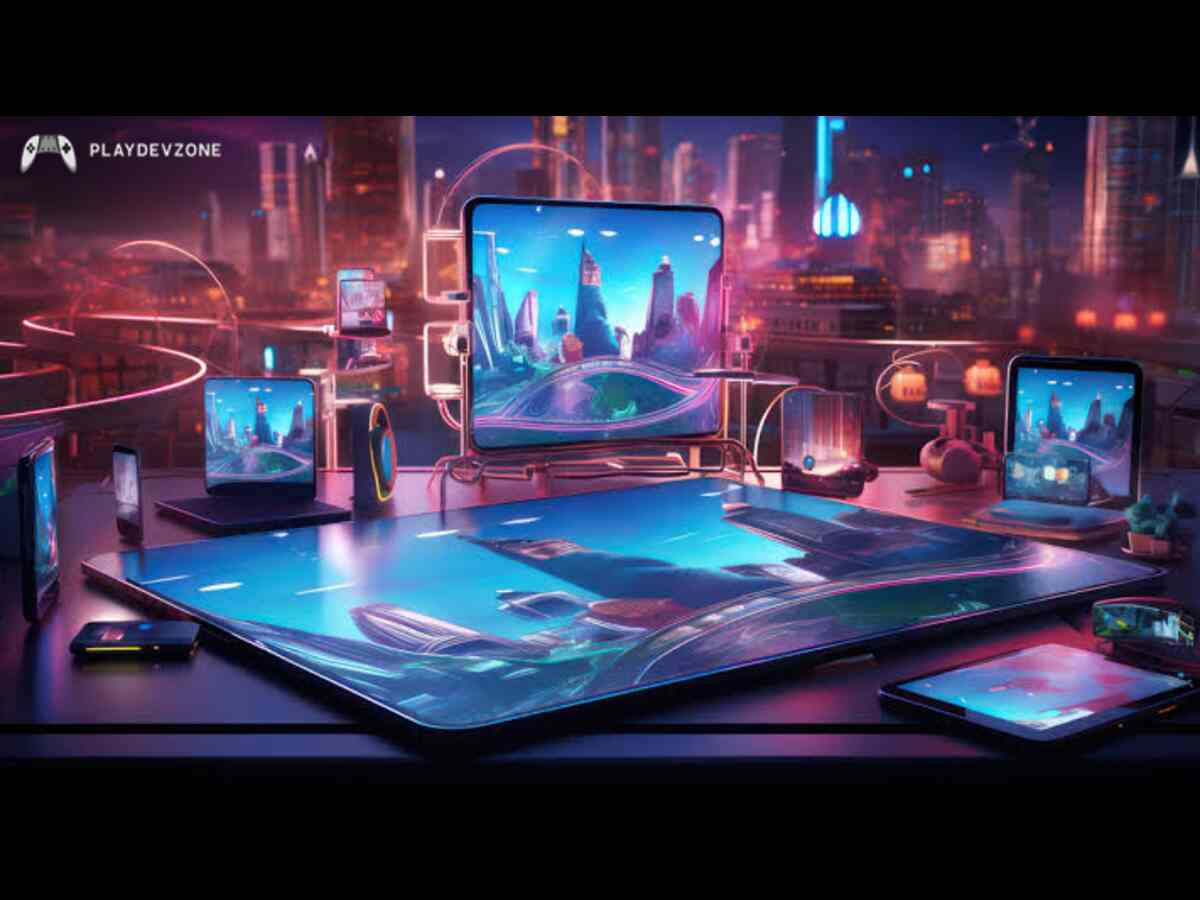
Modern players expect games to work smoothly across phones, PCs, consoles, and other devices (cross platform game development services).
For developers and studios, supporting multiple platforms can expand the potential audience, but building and maintaining separate versions can also take more time, testing, and resources.
This is where cross-platform development becomes valuable.
In this guide, we explore cross-platform game development services and the 10 most useful approaches for creating modern games across multiple platforms.
We will also look at game engines, development features, costs, testing, optimization, monetization, and how to choose the right solution for your project.
Whether you are an indie developer, startup, game studio, or business planning a new game, understanding cross-platform game development services can help you make better technical and business decisions.
What Is Cross-Platform Game Development?
Cross-platform game development is the process of creating a game that can run on more than one operating system or device while sharing much of its code, assets, systems, and development workflow.
Instead of building an entirely separate project for Android, iOS, Windows, and consoles, developers can use a suitable game engine or development framework to create reusable game systems.
Platform-specific adjustments are still often required, especially for controls, graphics, performance, stores, and console requirements.
For businesses, cross-platform game development services can reduce duplicated work and make it easier to maintain a game after launch.
The exact savings depend on the game, target platforms, team experience, and technical requirements.
A professional cross-platform game development services workflow usually starts with selecting target platforms and a suitable technology stack.
Developers then create the core game systems before adapting the experience for individual devices.
Why Are Cross-Platform Games Popular?
Players use different devices, so limiting a game to one platform can reduce its potential reach.
A well-planned multiplatform release allows a studio to target several audiences without rebuilding every system from scratch.
Another benefit is easier content management. When gameplay logic, user accounts, progression, and other systems are designed for reuse, updates can be coordinated across multiple versions.
Cross-platform game development services can therefore be useful for studios planning long-term live-service games as well as smaller indie projects.
However, cross-platform does not mean “build once and never change anything.”
Each platform has its own screen sizes, input methods, hardware limitations, certification rules, and performance expectations.
Successful projects treat shared technology as a foundation while still optimizing the experience for each device.
For this reason, cross-platform game development services should include platform-specific testing rather than simply exporting the same build to every device.
10 Best Cross Platform Game Development Services for Modern Games
1. Unity-Based Cross-Platform Development
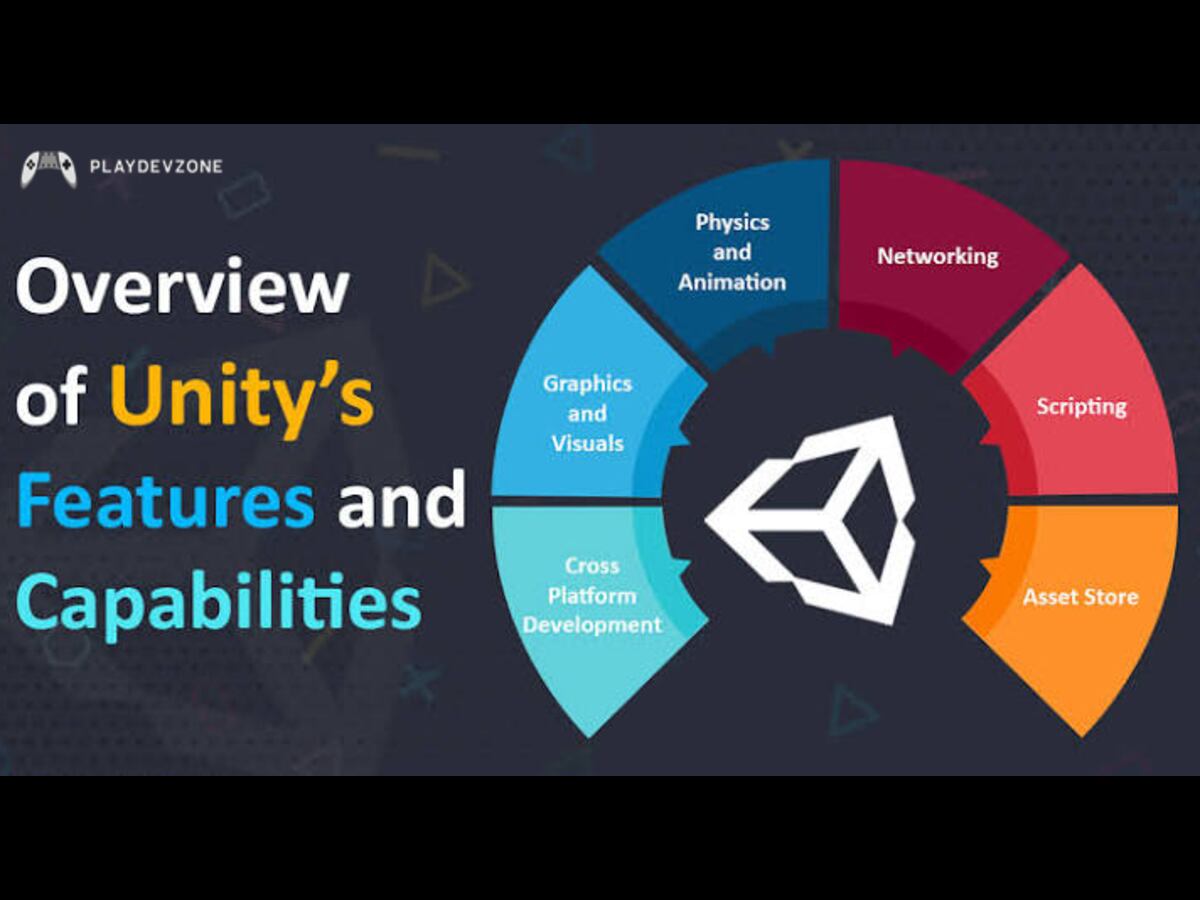
Unity is one of the most widely used game engines for projects targeting multiple platforms.
It supports 2D and 3D game development and provides tools for mobile, desktop, web, and many other deployment targets.
A Unity-based development approach is well suited to projects that need reusable C# gameplay code, a rich selection of assets, and quick iteration during the development process.
Developers can create a shared core and then add platform-specific settings where necessary.
Unity is particularly useful for mobile games, indie projects, casual games, multiplayer prototypes, and 3D experiences that need to reach several device categories.
Cross-platform game development services built around Unity can also include UI adaptation, analytics, advertising, in-app purchases, cloud features, optimization, and store deployment.
For developers who are already experienced with Unity and C#, this approach can help reduce development time and simplify the process of managing multiple game builds.
Unity also provides a large ecosystem of learning resources, assets, plugins, and development tools.
2. Unreal Engine Development
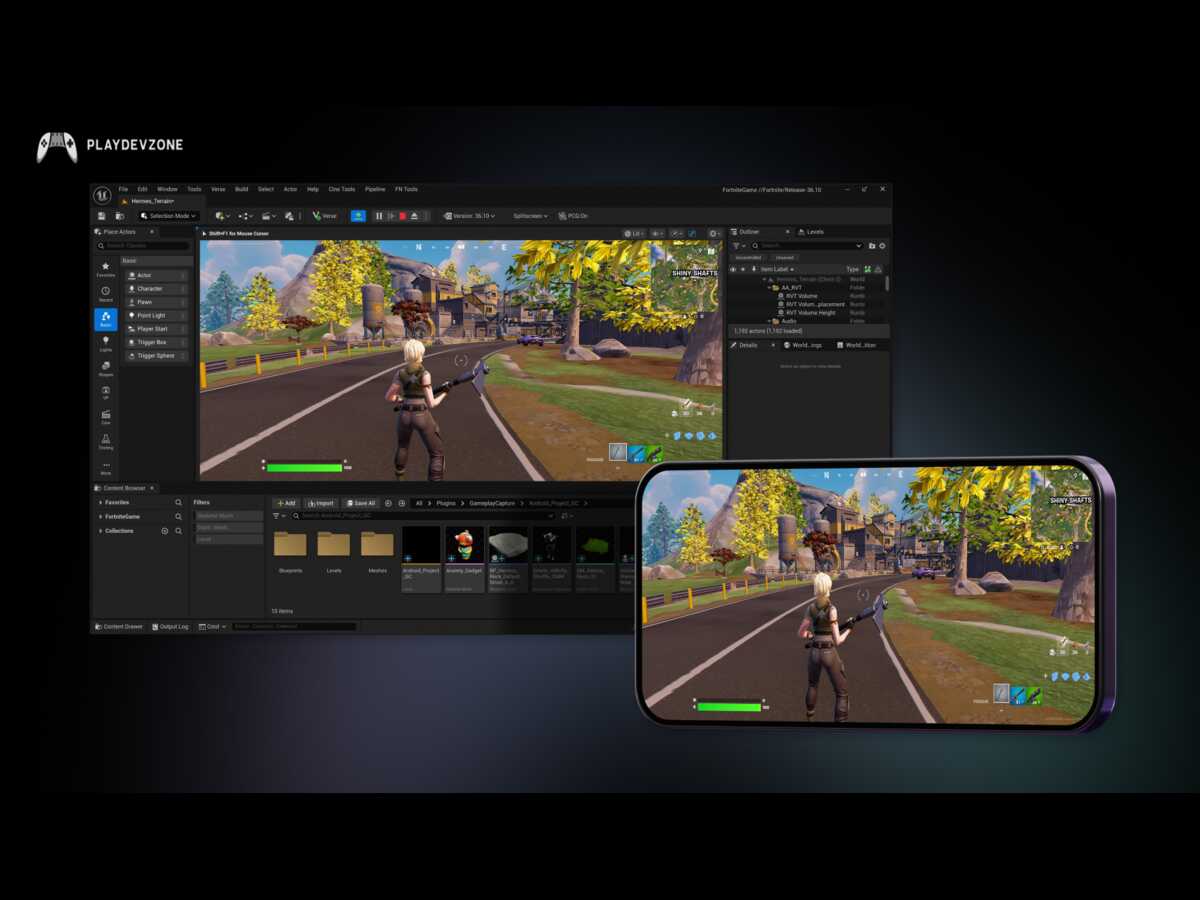
Unreal Engine is another powerful option, especially for visually demanding 3D games. It provides advanced rendering, physics, animation, audio, visual scripting, and profiling tools.
Unreal can be suitable for action games, shooters, RPGs, simulations, and other projects where high-quality visuals are important.
Teams can develop a shared game foundation and optimize graphics settings for different hardware levels.
A professional Unreal workflow may include performance profiling, scalable materials, lighting optimization, controller support, and platform-specific packaging.
These elements are important when the same game needs to perform well on both powerful PCs and less capable devices.
Studios choosing cross platform game development services based on Unreal should pay particular attention to graphics scalability.
High-end visual effects may need to be reduced or redesigned for mobile and lower-powered hardware.
3. Godot Cross-Platform Development
Godot is an open-source game engine that has become increasingly popular with indie developers.
It supports both 2D and 3D development and offers a lightweight editor and flexible scene-based workflow.
Godot can be attractive for teams that want an open-source solution and greater control over their development environment.
It can be used for prototypes, indie games, educational projects, and commercial games.
When planning cross-platform game development services with Godot, developers should evaluate target platforms, plugins, rendering requirements, multiplayer needs, and performance expectations before choosing the engine.
Godot can be especially interesting for smaller teams that want to keep their technology stack relatively lightweight.
Its open-source nature can also make it attractive for developers who prefer greater control over their development tools.
4. Mobile Game Development for Android and iOS
Mobile is one of the most important targets for modern game projects. Android and iOS have different hardware configurations, screen sizes, operating-system behaviors, and store requirements.
A strong mobile development service should cover responsive interfaces, touch controls, device testing, memory management, battery usage, graphics scaling, and store compliance.
For mobile-first games, cross-platform game development services can help developers share gameplay systems while adapting controls and UI for each operating system.
This can make maintenance more manageable than maintaining two completely independent projects.
Mobile optimization should also consider older devices. A game that works only on high-end smartphones may lose a significant portion of its potential audience.
Developers should test different resolutions, memory capacities, processors, and graphics capabilities.

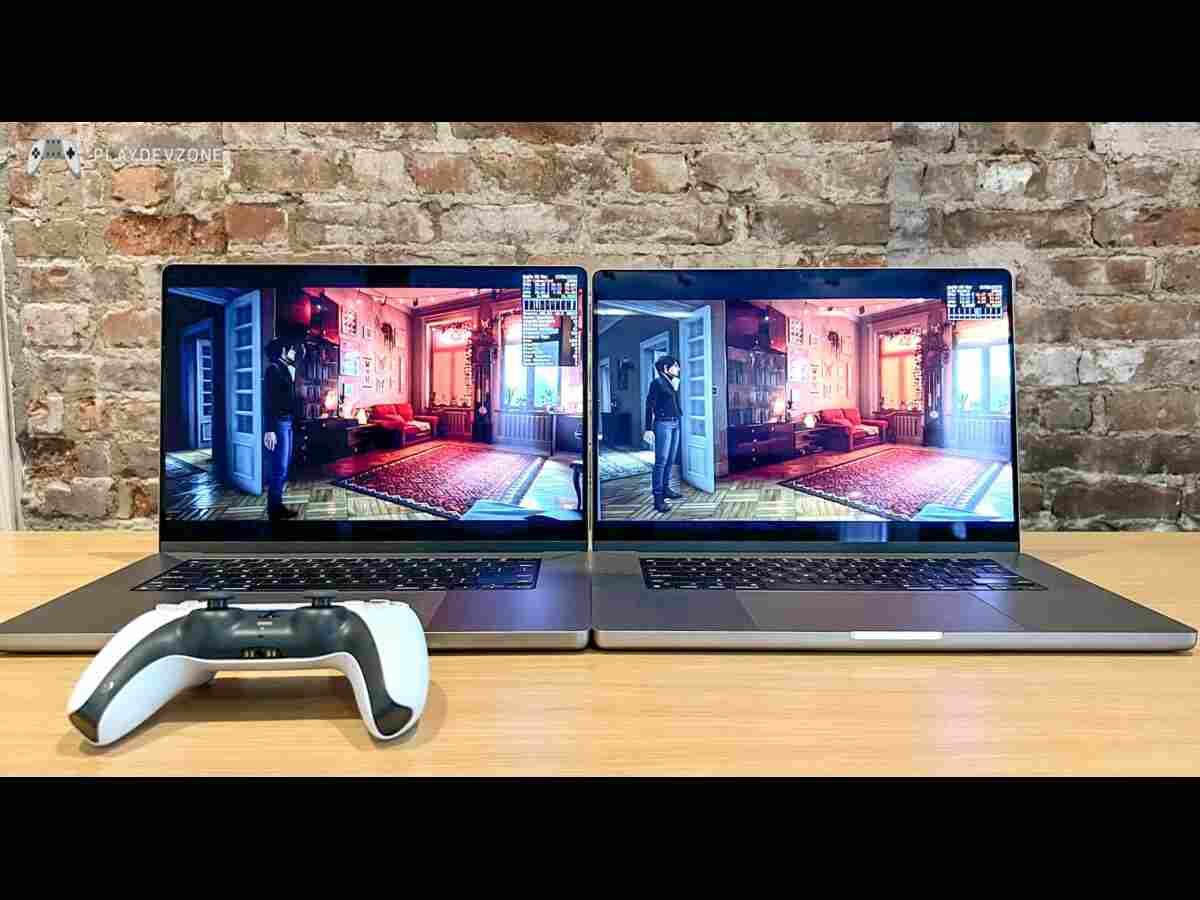
5. PC Game Development for Windows and macOS
PC games require different optimization strategies from mobile games.
Developers may need to support different CPUs, GPUs, resolutions, aspect ratios, controllers, keyboards, and graphics settings.
A cross-platform PC service can focus on scalable graphics, input customization, save systems, performance profiling, and distribution through digital storefronts.
The biggest advantage is flexibility. A shared codebase can make it easier to deliver a Windows version and another supported desktop version while keeping core gameplay systems consistent.
Cross-platform game development services for PC can also include graphics presets that allow players with different hardware configurations to adjust performance and visual quality.
For PC games, developers should test different GPU configurations, display resolutions, input devices, and operating-system environments before release.
6. Console Game Development
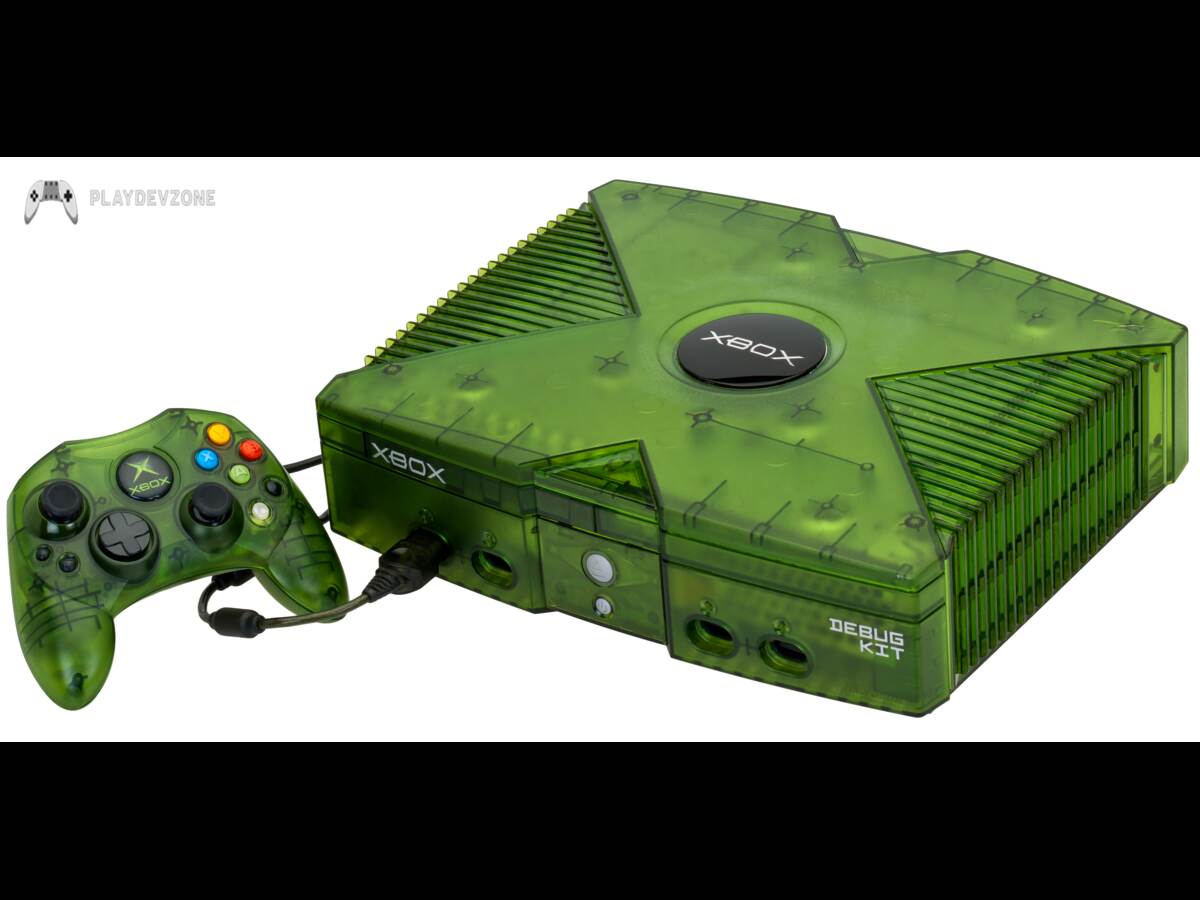
Console development can expand a game's audience, but it usually involves additional technical and certification requirements.
PlayStation, Xbox, and Nintendo platforms have their own hardware, SDKs, submission processes, and policies.
A console-focused service may include controller integration, performance optimization, platform-specific interfaces, save functionality, achievements, networking, and certification preparation.
Not every development team needs console support from the beginning. However, planning architecture for future platform expansion can prevent expensive rewrites later.
Cross-platform game development services are especially valuable when a successful PC or mobile game is later prepared for consoles.
Console optimization often requires detailed performance testing. Frame rate stability, memory usage, loading times, controller behavior, and platform-specific features should all be considered.
7. Multiplayer and Cross-Platform Networking
Multiplayer games introduce another layer of complexity. Players may connect from different devices, networks, and geographic regions, so the architecture must handle synchronization, authentication, matchmaking, latency, and security.
A multiplayer service can include dedicated servers, peer-to-peer systems where appropriate, matchmaking, lobbies, voice features, player accounts, and cloud data.
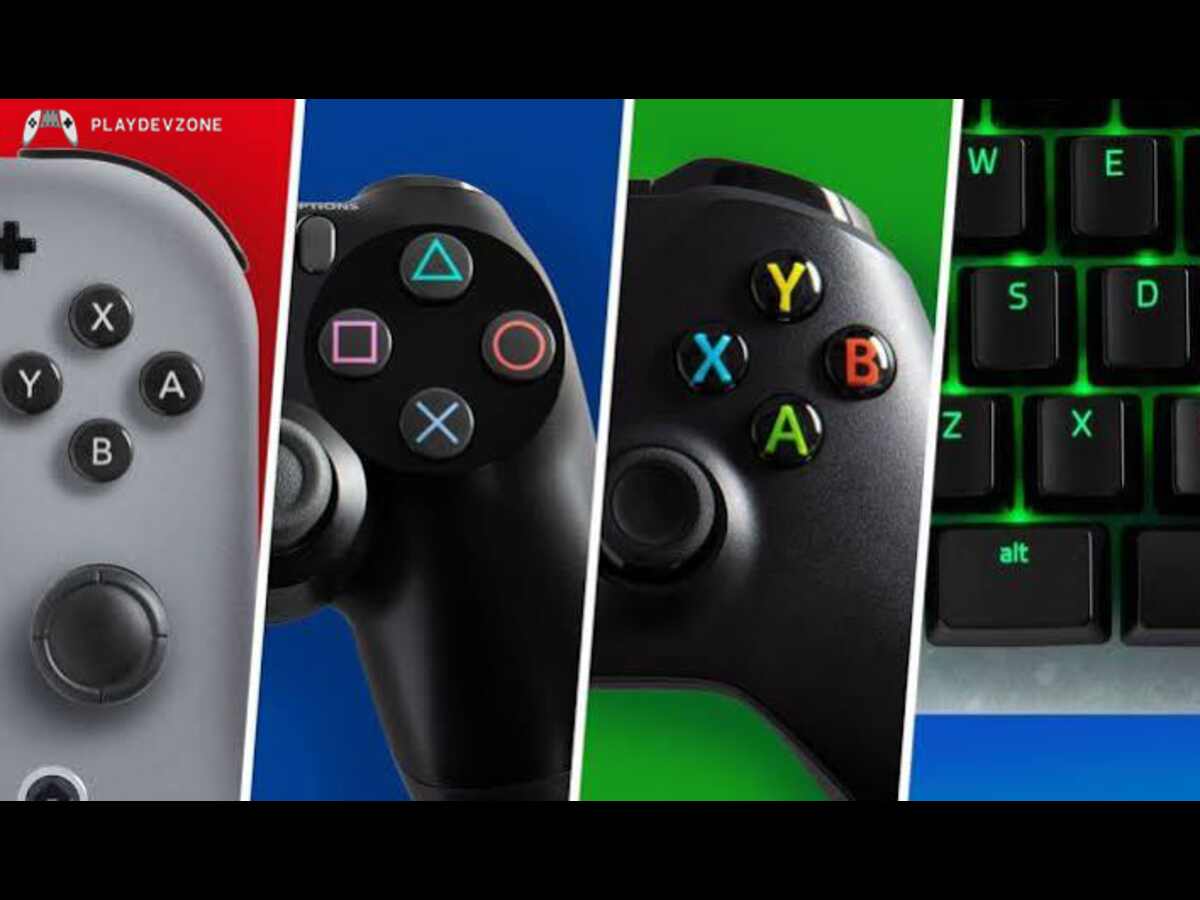
Cross-platform multiplayer also requires careful input and gameplay balancing.
A competitive shooter, for example, may need different control considerations for mouse and keyboard, touchscreens, and controllers.
Cross-platform game development services for multiplayer games should therefore consider both networking technology and the actual player experience.
Developers need to determine how different platforms will communicate and how game data will remain synchronized.
Security is also important. Online games can face cheating, account abuse, unauthorized access, and other issues, so authentication and server-side validation should be included in the architecture.
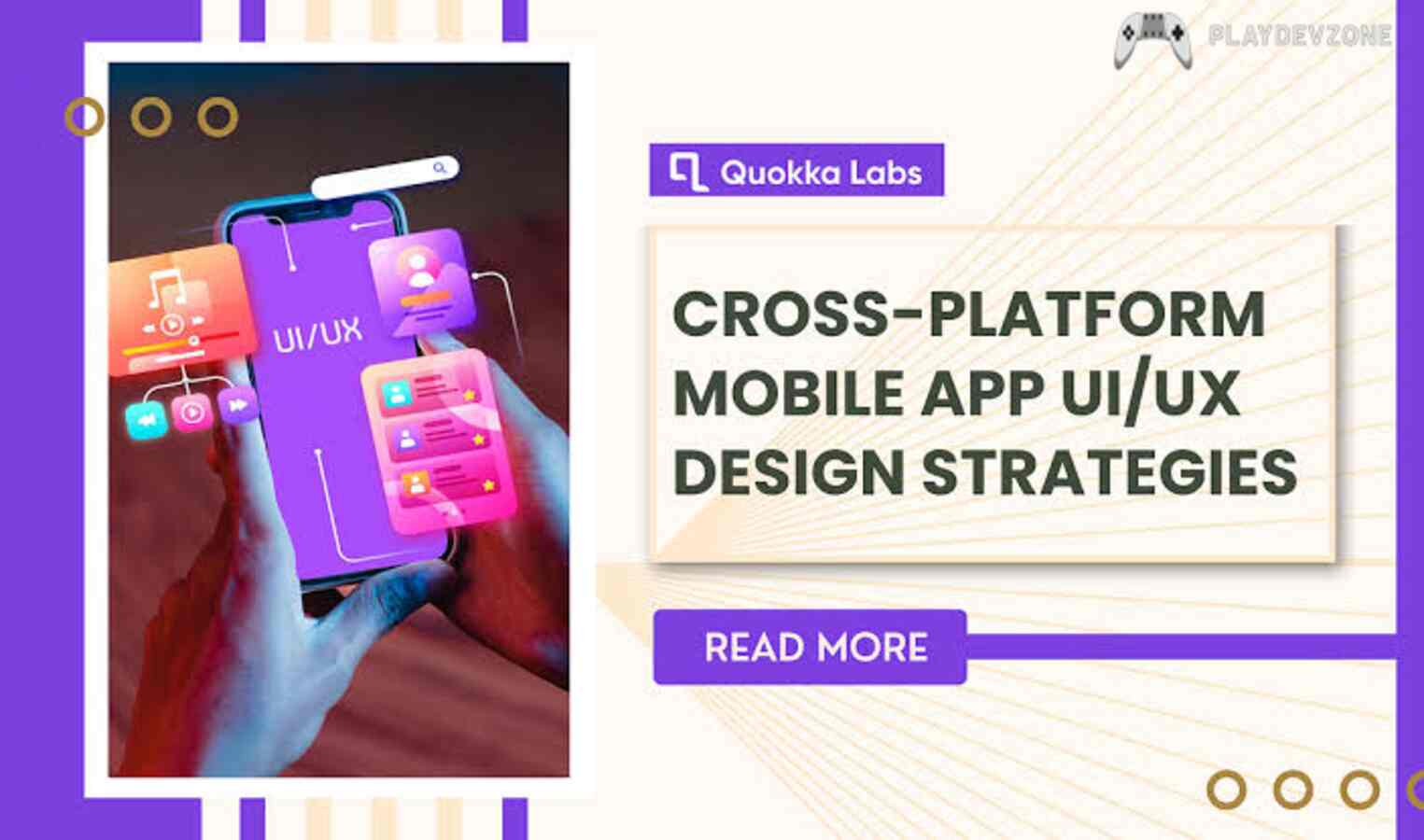
8. Cross-Platform UI and UX Development
A game can run on multiple platforms and still feel poor if the interface isn't adapted properly.
A desktop menu that works with a mouse may feel awkward on a touchscreen.
UI and UX services can cover responsive layouts, navigation, typography, controller focus, touch targets, accessibility, and platform-specific interactions.
Good cross-platform game development services treat UI as more than a visual layer.
Test menus, inventory screens, HUD elements, settings, and onboarding on the devices players actually use.
A good user interface should feel natural regardless of whether the player is using a touchscreen, controller, keyboard, or mouse.
Buttons should be appropriately sized, text should remain readable, and navigation should be easy to understand.
9. Game Porting and Platform Optimization
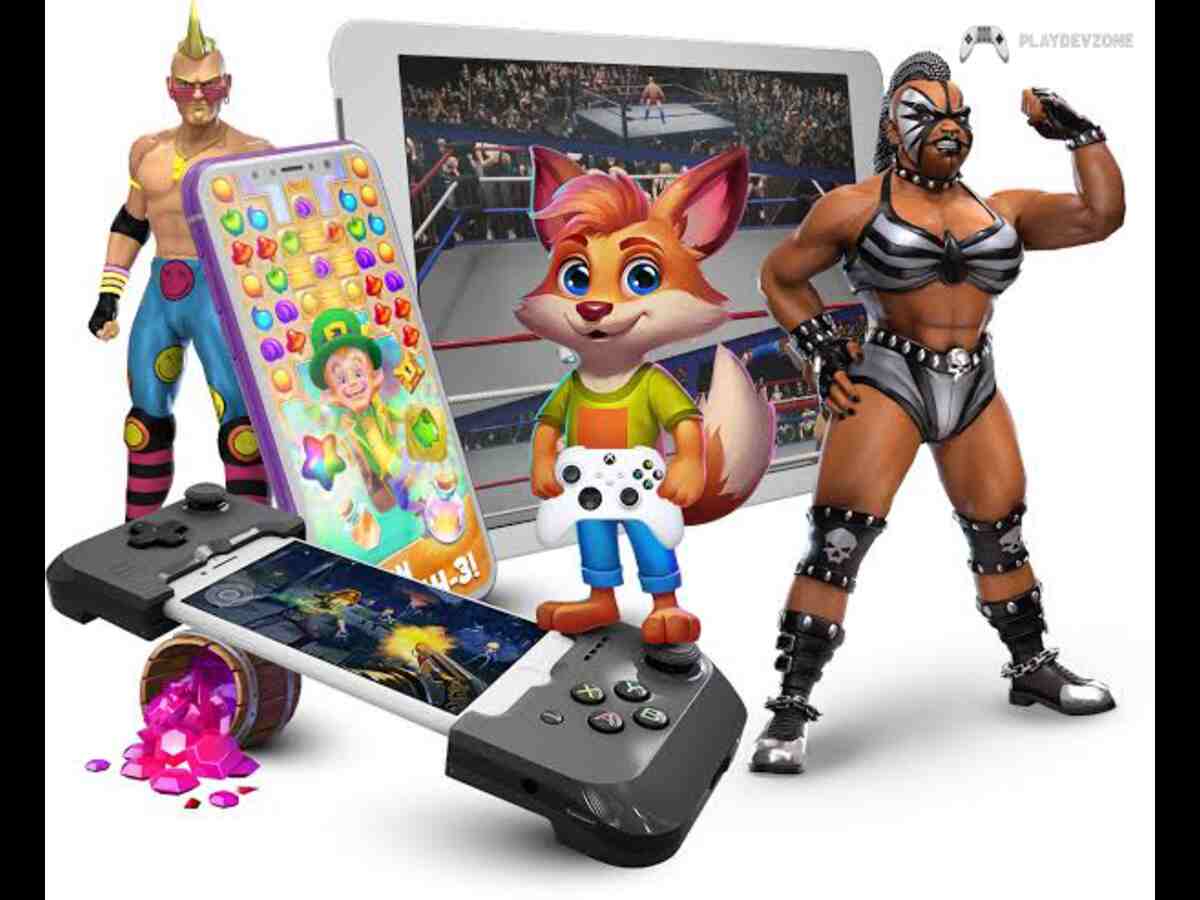
Game porting means adapting an existing game to a new platform. Porting is often faster than creating a new game, but it is not simply a matter of changing the build target.
A port may require changes to rendering, controls, memory usage, audio, file systems, networking, UI, platform services, and performance settings.
Optimization is particularly important when moving a high-end game to lower-powered hardware.
Developers may need multiple quality presets, dynamic resolution, asset compression, level-of-detail systems, and efficient loading.
Cross-platform game development services focused on porting can help studios expand an existing game's audience without rebuilding the entire project from the beginning.
However, developers should not assume that a successful port requires no design changes.
Some features may need to be redesigned to work correctly with different controls, displays, or hardware limitations.
10. Live Operations, Updates, and Monetization
Launching a game is only the beginning for many modern studios. Live games need regular updates, bug fixes, seasonal content, analytics, events, purchases, advertising, and player-support systems.
A long-term development service can help manage version control, build automation, testing, analytics, monetization, and content updates across platforms.
Cross-platform game development services can be especially useful here because a single update may need to be prepared and tested for several stores and device families.
A consistent release process can reduce mistakes and improve the player experience.
Monetization can include advertising, in-app purchases, premium pricing, downloadable content, subscriptions, or a combination of approaches.
The right model depends on the game genre and audience.
A strong live-operations strategy should also monitor crashes, player retention, engagement, purchases, and technical problems after launch.
Key Features to Look for in Cross-Platform Development
Before choosing a development partner or technology, define the features your project actually needs. Important areas include:
- Multiple platform support
- Reusable gameplay systems
- Responsive UI
- Controller and touch support
- Multiplayer capabilities
- Cloud saves and player accounts
- Analytics and crash reporting
- Advertising and in-app purchases
- Performance optimization
- Automated builds and testing
- Store submission support
- Post-launch maintenance
The best solution is not necessarily the one supporting the largest number of platforms. It should support the platforms your target players actually use while keeping development practical.
When comparing cross-platform game development services, also check whether the provider can support your complete development lifecycle.
Coding alone is not enough if you also need testing, deployment, optimization, analytics, and maintenance.
Benefits of Cross-Platform Game Development
The main advantage is development efficiency. Reusing systems can reduce duplicated programming and make it easier to maintain shared features.
Another benefit is broader market reach. A game available on mobile, PC, and consoles has more opportunities to attract players than a game restricted to one ecosystem.
Cross-platform game development services may also simplify updates.
If core systems are shared, developers can implement a gameplay improvement once and then adapt it for each supported platform.
Testing can also become more structured. A shared architecture allows teams to establish common test cases while adding device-specific checks.
There are limitations, however. Some platform-specific features may require native code or special SDK integration.
Graphics and performance may also vary significantly between devices. A good development plan recognizes these differences instead of treating every platform as identical.
How to Choose the Right Development Service
Start with your target audience. If your players are primarily mobile users, prioritize Android and iOS performance. If you are developing a graphics-heavy RPG, PC and console requirements may be more important.
Next, evaluate the technology. Unity can be attractive for broad platform coverage and fast development, Unreal is strong for advanced 3D graphics, and Godot can be appealing for open-source workflows and indie development.
Review the provider's technical experience rather than judging only by a portfolio. Ask about testing, optimization, multiplayer architecture, source-code ownership, documentation, maintenance, and post-launch support.
You should also establish a clear scope. Decide which platforms are included, which features are required, how many testing devices are expected, and who handles store submissions.
Finally, ask how updates will be managed. A project that launches successfully but becomes difficult to maintain can create higher costs later.
The best cross-platform game development services should match your technical requirements instead of offering unnecessary features.
A smaller project may not need console development, while a large commercial game may require extensive platform support.
How Much Does Cross-Platform Game Development Cost?
There is no single price for a multiplatform game. Costs depend on game genre, art quality, number of platforms, team size, multiplayer requirements, backend infrastructure, development time, and post-launch support.
A small 2D mobile game may require a relatively small team, while a large online 3D game can require programmers, artists, designers, animators, technical artists, QA testers, backend engineers, and producers.
Adding platforms can also increase testing and optimization costs. The best way to control the budget is to define a minimum viable product, launch on priority platforms, measure player demand, and expand strategically.
A development quote should clearly explain what is included. Look for details about design, programming, art integration, testing, optimization, deployment, maintenance, and revisions.
Before hiring cross-platform game development services, ask whether the quoted price includes platform testing and post-launch fixes.
A low initial price can become expensive if essential services are excluded.
Cross-Platform vs Native Game Development
Native development means creating a platform-specific version using technologies designed for that platform. This can provide excellent access to platform features and fine-grained optimization.
Cross-platform development focuses on sharing more of the game's technology between platforms. It can reduce duplicated work and make multi-platform releases more efficient.
Neither approach is automatically better. A small studio targeting several platforms may benefit greatly from shared technology, while a game that depends heavily on one platform's unique capabilities may justify a native approach.
For many modern projects, a hybrid strategy can work well: share the core gameplay and systems while using native integrations where platform-specific functionality is required.
This is one reason cross-platform game development services can be flexible.
Teams can reuse common systems while still adding native solutions when a particular platform requires them.
SEO-Friendly and Scalable Development Strategy
A successful game project needs more than an engine. Teams should plan architecture, source control, automated builds, testing, analytics, and deployment from the start.
Use modular systems so features can be changed without breaking unrelated parts of the game.
Maintain clear documentation and keep platform-specific code separated from shared gameplay logic when possible.
Automated build pipelines can also help. Instead of manually creating every version, a well-designed pipeline can produce builds for different platforms and run automated checks before release.
Cross-platform game development services should ideally include this type of scalable workflow rather than focusing only on initial coding.
A scalable architecture can also make future expansion easier.
If your game starts on Android and iOS but later expands to PC, a properly organized project can reduce the amount of work required for the new release.
Common Mistakes to Avoid
One common mistake is targeting too many platforms at launch. Supporting every possible device can increase development time and testing requirements.
Another mistake is ignoring performance until the final stage. Optimization should happen throughout development, especially for mobile and lower-end hardware.
Poor UI adaptation is another problem. A game that technically works on a phone can still feel like a desktop game squeezed onto a small screen.
Teams should also avoid assuming that one control scheme will work everywhere. Touch, keyboard, mouse, and controller inputs should be planned from the beginning.
Finally, do not forget post-launch support. Operating systems, storefront policies, devices, and third-party services change over time.
A reliable cross-platform game development services strategy should include regular testing and maintenance after the initial launch.
This helps developers respond to operating-system updates, hardware changes, bugs, and player feedback.
Frequently Asked Questions
What are cross platform game development services?
Cross-platform game development services help developers and businesses create, optimize, test, and launch games across multiple platforms using shared technologies and development workflows.
Can one game run on Android, iOS, and PC?
Yes. A properly designed game can support Android, iOS, and PC.
However, controls, UI, performance settings, graphics quality, and platform-specific features may need to be adapted.
Is cross-platform development cheaper than native development?
It can reduce duplicated development work, especially when several platforms share core gameplay systems.
However, platform-specific testing, optimization, certification, and integrations can still add costs.
Are cross-platform games good for mobile devices?
Yes, especially when developers optimize memory usage, graphics, loading times, battery consumption, touch controls, and screen layouts for mobile hardware.
Can cross-platform games support multiplayer?
Yes. Cross-platform games can support online multiplayer when the networking architecture, authentication, matchmaking, servers, and platform integrations are designed correctly.
What should I ask a game development company?
Ask about engine expertise, supported platforms, previous projects, testing procedures, source-code ownership, development timelines, optimization, multiplayer experience, deployment, maintenance, and post-launch support.
Conclusion
Cross-platform development gives game studios a practical way to reach players across multiple ecosystems without necessarily maintaining completely separate game projects.
The right engine, architecture, testing process, and optimization strategy can make a major difference.
The 10 options covered in this guide range from Unity and Unreal development to Godot, mobile and PC releases, console porting, multiplayer, UI/UX, optimization, and live operations.
The best choice depends on your game's genre, budget, audience, technology requirements, and long-term goals.
Before selecting cross-platform game development services, define your priority platforms and required features.
Then compare development expertise, technical processes, testing capabilities, pricing, and post-launch support.
For indie developers, starting with one or two priority platforms can be a smart approach. Once the game is stable and player demand is clear, additional platforms can be introduced gradually.
For larger studios, a well-planned multiplatform architecture can make development, updates, analytics, and maintenance more manageable throughout the game's lifecycle.
Ultimately, the goal of cross-platform game development services is not simply to make a game available on as many platforms as possible.
The real goal is to create a consistent, enjoyable, and optimized gaming experience while keeping the development process efficient and scalable.
With a clear strategy, the right technology, and proper testing, developers can build games that feel natural on each platform while sharing a strong and maintainable technical foundation.