
Introduction
In-app purchases are an important part of many modern mobile games and applications.
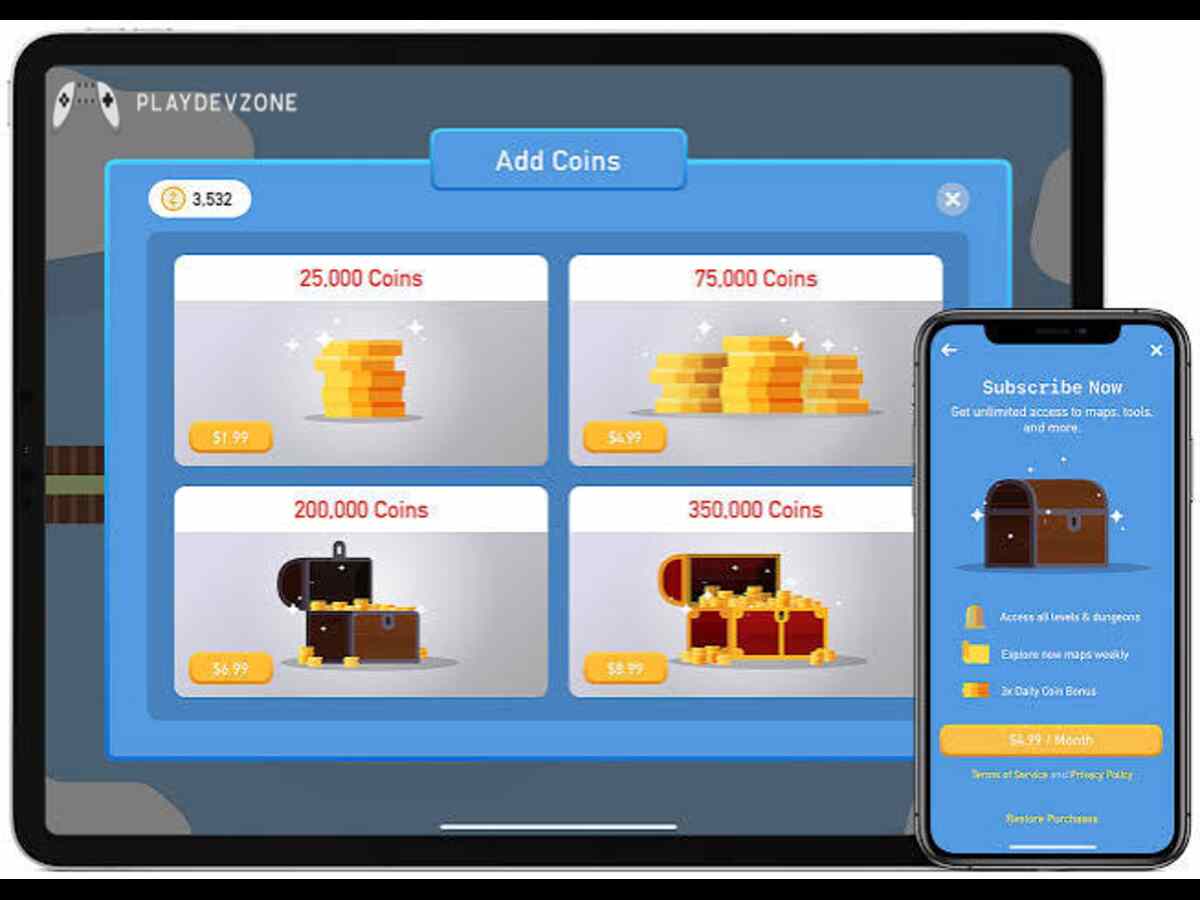
Players can purchase virtual currency, premium features, extra levels, cosmetic items, subscriptions, and other digital content directly inside an app.
Because these purchases involve real money, developers need strong security measures to protect their applications and users.
The term in-app purchase hack app is often searched by people who want to understand whether an application can generate free premium content or bypass an application's normal payment process.
However, many applications promoted with this type of terminology are unreliable, misleading, or potentially harmful.
For developers, understanding the risks associated with an in-app purchase hack app is more useful than attempting to bypass a legitimate payment system.
Weak purchase validation can allow fraudulent transactions, fake receipts, unauthorized premium access, or manipulated application data.
This guide explains what people mean when they search for an in-app purchase hack app, why these applications can be risky, how in-app purchase fraud happens at a high level, and what developers can do to improve in-app purchase security.
What Is an In App Purchase Hack App?
An in-app purchase hack app generally refers to an application or tool that claims to modify, simulate, or bypass an application's normal in-app purchasing process.
These tools are commonly associated with claims such as unlocking premium features, obtaining virtual currency without payment, removing purchase restrictions, or modifying application behavior.
However, the actual functionality and reliability of such tools can vary considerably.
From a security perspective, an in-app purchase hack app should not automatically be considered legitimate simply because it claims to provide free premium content.
Some websites distribute modified applications or suspicious files under these names.
Installing unknown applications can expose users to unwanted software, data theft, account compromise, or other security problems.
For legitimate users, the safer approach is to obtain digital content through the official application and supported payment platform.
For developers, these searches highlight the importance of implementing reliable purchase validation rather than trusting information supplied directly by the client application.
Why Do People Search for In App Purchase Hack App?
There are several reasons someone might search for an in-app purchase hack app.
Some users may be curious about how in-app purchase systems work.
Others may want to understand whether premium content can be accessed without payment.
Developers and security researchers may also investigate the topic to understand potential threats against mobile applications.
Search results surrounding an in-app purchase hack app can therefore represent different types of search intent.
The main categories include:
- Curiosity about in-app purchase security
- Research into mobile application vulnerabilities
- Interest in fake purchase applications
- Research into purchase fraud
- Developer security testing
- Concerns about unauthorized premium access
Understanding these different intentions can help developers create better security documentation and educational content.
Are In App Purchase Hack Apps Safe?
Users should be cautious when encountering an in-app purchase hack app online.
An application that promises unlimited premium content or free purchases may require installation from an unofficial source.
This creates additional security risks because the application may not have gone through the same review and distribution processes as software obtained through an official app store.
Potential risks include:
Malware
A user may think they are installing a tool for testing or entertainment while actually installing software capable of accessing sensitive information.
Account Theft
Providing account information to an untrusted application can create a serious security problem.
Privacy Risks
An unknown application may request access to files, contacts, notifications, accessibility features, or other sensitive resources. Users should carefully evaluate permissions before installing software.
Modified Application Files
Some tools are distributed as modified versions of legitimate applications. These modified files may contain changes that users cannot easily inspect.
Payment and Device Risks
A suspicious application may attempt to collect payment information or interfere with other applications installed on the device.
For these reasons, users should treat claims surrounding an in-app purchase hack app with caution.
How In-App Purchase Fraud Works at a High Level
In-app purchase fraud can occur when an application incorrectly trusts information supplied by the client.
For example, imagine a mobile game where the client application tells its own local system that a purchase was completed.
If the server does not independently verify the transaction, an attacker may attempt to manipulate the application's local state.
This demonstrates why in-app purchase security is an important part of mobile game development.
A secure architecture should not simply assume that a purchase is valid because the application reports that a transaction occurred.
Instead, developers should use appropriate purchase validation mechanisms provided by their payment platform.

In App Purchase Receipt Verification
One of the most important concepts in in-app purchase security is receipt or transaction verification.
A purchase receipt contains information associated with a transaction.
Depending on the platform and implementation, developers can verify relevant purchase information before granting valuable digital content.
The basic concept is:
Purchase → Verification → Confirmation → Premium Content
Rather than:
Purchase Request → Immediately Unlock Content
This distinction is important because the application should not blindly trust client-side information.
Proper in-app purchase receipt verification can help developers identify invalid or suspicious transactions before granting premium content.
Why Client-Side Validation Can Be Risky
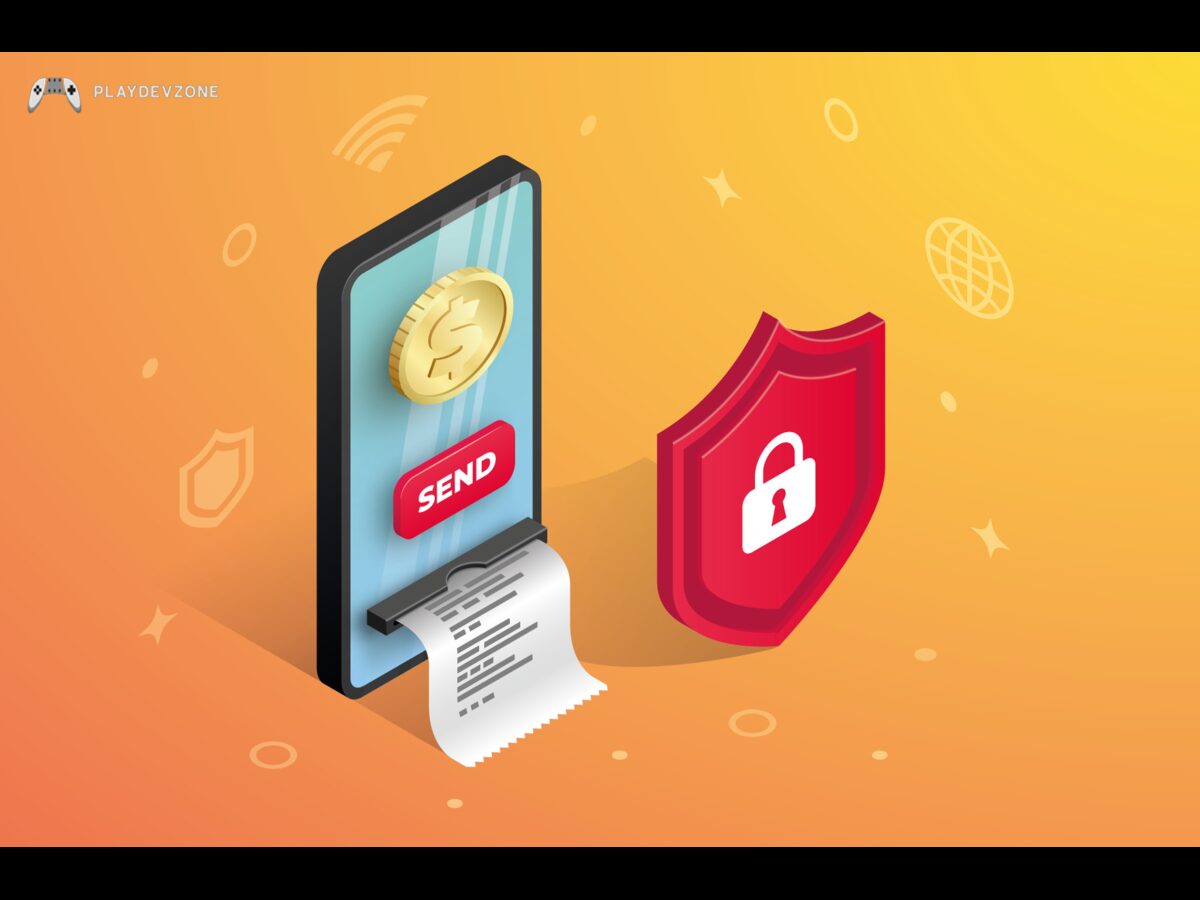
Server-side verification is an important concept for applications with valuable digital purchases.
Instead of allowing the mobile application to make the final decision by itself, the application can communicate with a backend system.
A simplified architecture looks like this:
Mobile App → Backend Server → Payment Platform Verification → Backend Decision → Mobile App
The exact implementation depends on the platform, payment system, application architecture, and developer requirements.
The important principle is that valuable purchase decisions should be based on trustworthy transaction information rather than unverified client-side claims.
This approach can reduce the impact of certain in-app purchase vulnerabilities.

How Developers Can Prevent In-App Purchase Fraud
Developers building mobile games should consider several security practices.
1. Validate Purchases Properly
Do not assume that every purchase notification received by the client represents a legitimate completed transaction.
Use the appropriate platform-supported verification process.
2. Avoid Trusting Local Values
Premium currency, purchase status, subscription state, and similar valuable information should not depend entirely on easily modified local data.
3. Use Server-Side Verification
For applications where purchases represent significant value, server-side validation can add an important security layer.
4. Track Transaction Identifiers
Transaction information can help developers identify duplicate or suspicious purchase activity.
5. Prevent Duplicate Rewards
A legitimate transaction should generally result in the intended reward only once. Developers should design backend logic to prevent repeated processing of the same transaction.
6. Protect Backend APIs
Purchase-related APIs should be designed with authentication, authorization, validation, and appropriate rate controls.
7. Monitor Suspicious Activity
Developers can monitor unusual patterns such as repeated failed transactions, unexpected purchase activity, or abnormal account behavior.
These practices are important components of mobile game purchase security.
How to Detect In App Purchase Fraud
Developers can look for unusual transaction patterns when investigating potential in app purchase fraud.
Examples may include:
- Transactions that cannot be verified
- Repeated processing of the same transaction
- Unexpected purchase states
- Inconsistent transaction information
- Premium content being granted without a valid transaction
- Unusual activity associated with specific accounts
- Large differences between client reports and server records
Detection systems should be designed carefully because unusual behavior does not automatically prove malicious activity.
A legitimate transaction can occasionally fail because of connectivity problems, synchronization issues, or other technical problems.
Fake In-App Purchase Apps and Scams
Another concern associated with the in-app purchase hack app search term is the number of websites that promote questionable software.
A website may use attractive claims such as unlimited coins, free premium items, or instant purchases to encourage users to download an application.
Users should be especially careful when a website:
- Requires installation from an unknown source
- Requests unnecessary permissions
- Asks for account passwords
- Promises unlimited paid content
- Requires disabling important security features
- Uses suspicious download redirects
- Requests payment for a supposedly free tool
A legitimate developer tool should clearly explain its purpose, supported platforms, documentation, and security requirements.
In App Purchase Security for Android Games
Android game developers should pay particular attention to Android in-app purchase security.
Mobile games frequently use in-app purchases for virtual currency, character items, cosmetics, upgrades, battle passes, subscriptions, and other digital products.
Because these items may have real monetary value, developers should design their purchase architecture carefully.
For example, a game should avoid treating a locally stored value such as coins = 10000 as unquestionable proof that the user completed a legitimate purchase.
Instead, important purchase information should be connected to an appropriate transaction and verification system.

Common In-App Purchase Security Mistakes
Several implementation mistakes can make an application more vulnerable.
Mistake 1: Trusting the Client
The client application should not be treated as the ultimate authority for valuable purchase decisions.
Mistake 2: Storing Everything Locally
Local storage can be useful for application functionality, but developers should carefully protect information that determines access to valuable content.
Mistake 3: No Duplicate Transaction Protection
A transaction-processing system should account for duplicate notifications and repeated requests.
Mistake 4: Weak Backend Authentication
Purchase-related backend endpoints should require appropriate authentication and authorization.
Mistake 5: No Monitoring
Without logging and monitoring, developers may have difficulty identifying unusual purchase behavior.
Mistake 6: Ignoring Refunds and Revocations
A complete purchase system should also account for transaction state changes such as refunds, cancellations, or revoked access when applicable.
Frequently Asked Questions
What is an in app purchase hack app?
An in app purchase hack app generally refers to software that claims to bypass, modify, or simulate an application's normal purchase process.
Such software can be unreliable and may introduce security or privacy risks.
Are in app purchase hack apps safe?
Users should not assume that an in-app purchase hack app is safe.
Applications downloaded from unofficial sources may contain unwanted or malicious software, request excessive permissions, or attempt to collect sensitive information.
Can developers detect fake purchases?
Developers can use appropriate transaction verification, backend validation, transaction tracking, and monitoring to identify invalid or suspicious purchase activity.
How can developers prevent in-app purchase fraud?
Developers can improve in app purchase fraud prevention by validating transactions properly, avoiding unnecessary client-side trust, using server-side verification where appropriate, protecting backend APIs, and monitoring transaction activity.
What is purchase receipt verification?
Purchase receipt verification is the process of checking transaction information against trusted payment-platform information before granting purchased digital content.
Why is server-side purchase verification important?
Server-side verification can reduce reliance on information controlled entirely by the mobile application and can provide an additional layer for validating important transactions.
What are common in-app purchase vulnerabilities?
Common weaknesses can include excessive client-side trust, weak backend validation, poor transaction handling, inadequate authentication, and failure to protect premium content from unauthorized access.
Is it safe to download modified APK files?
Users should be cautious with modified APK files obtained from unofficial websites.
The files may contain unwanted modifications or security risks that are difficult to identify before installation.
Conclusion
The search term in the app purchase hack app is associated with a topic that combines mobile gaming, application security, payment systems, and fraud prevention.
While some users may search for tools that claim to provide free purchases or premium content, downloading and using unknown software can introduce significant security and privacy risks.
For developers, the more valuable lesson is understanding how to build strong in-app purchase security.
Reliable purchase validation, receipt verification, server-side checks, transaction tracking, secure backend APIs, and monitoring can all contribute to a safer mobile payment system.
Whether you are developing an Android game, publishing a mobile application, or managing premium digital content, purchase security should be considered an essential part of the development process rather than an afterthought.
The goal should be to make legitimate purchases reliable for users while making unauthorized manipulation significantly more difficult for attackers.