
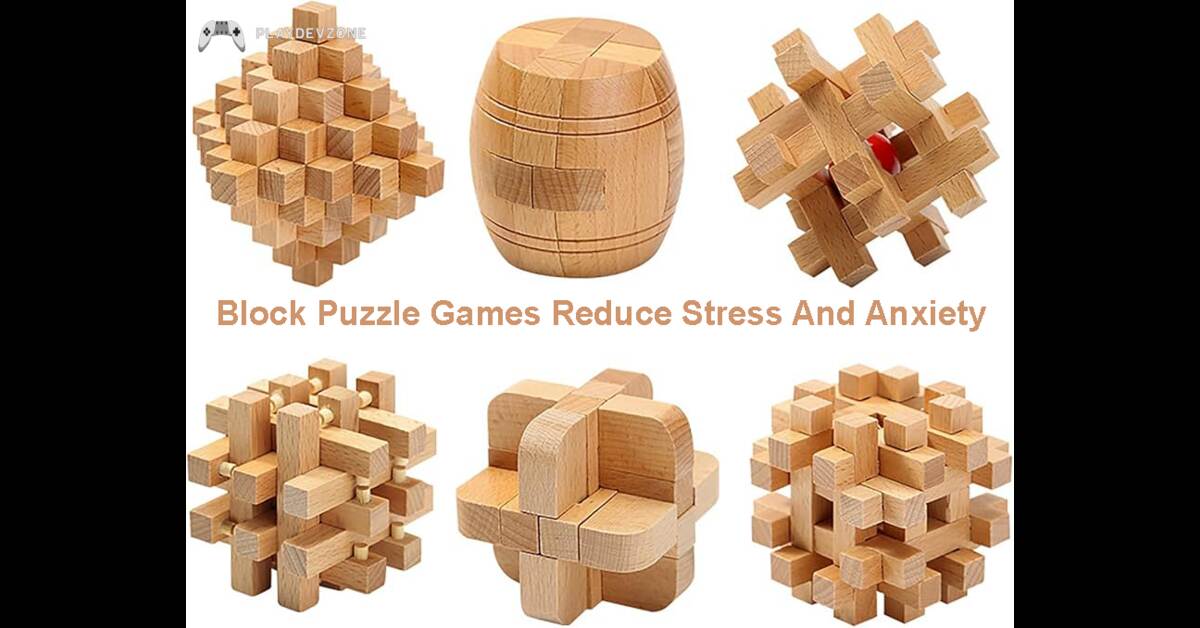
Introduction
In a world where stress feels constant, and anxiety often arrives uninvited, people are searching for simple ways to calm their minds without overwhelming effort.
Surprisingly, one solution may come from something many already enjoy: games.
This raises an intriguing question: Can block puzzle games help reduce stress and anxiety?
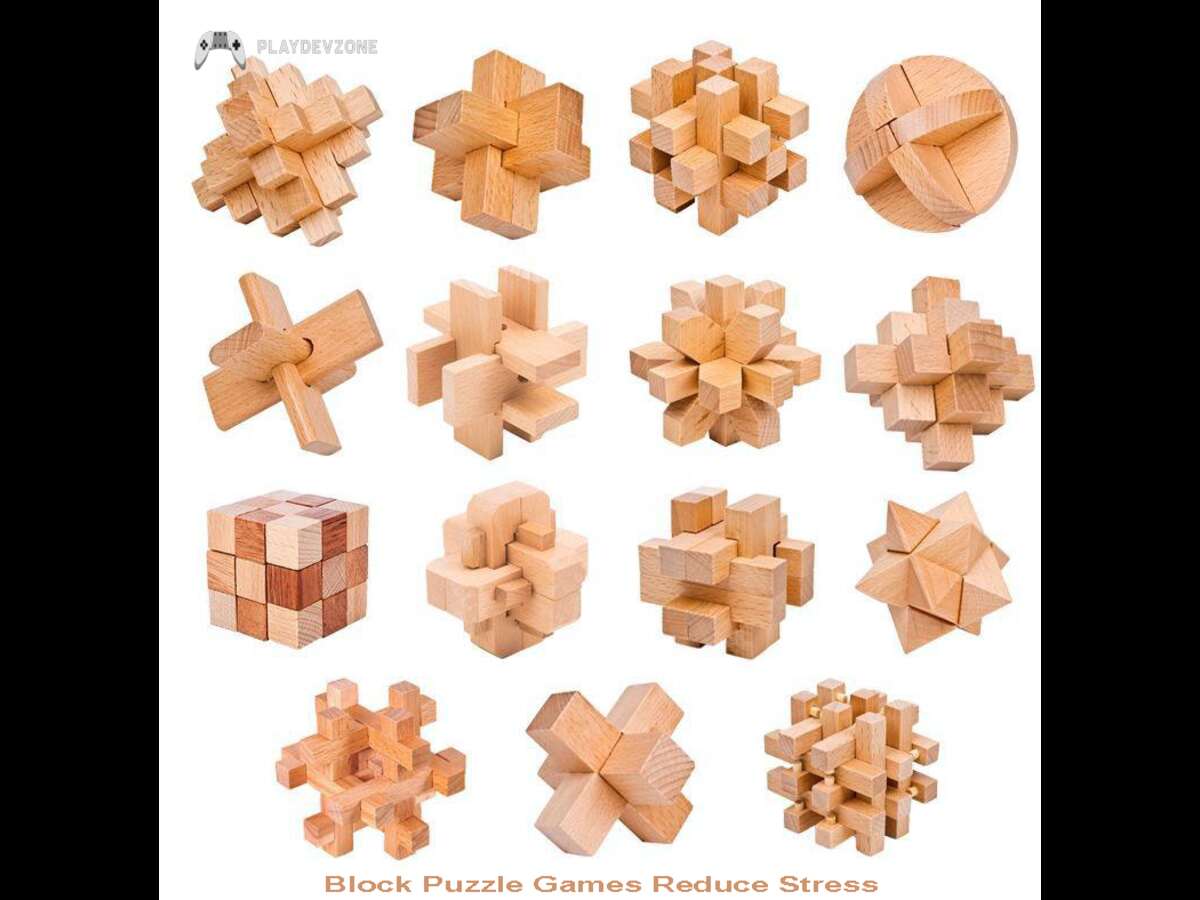
Far from being just a casual pastime, these games encourage focus, logical thinking, and a sense of control, offering the brain a gentle escape from mental overload.
As more players turn to block puzzle games for relaxation, researchers and mental health experts are beginning to explore how these simple digital experiences can support emotional well-being and inner calm.
Can Block Puzzle Games Reduce Stress and Anxiety?
In a fast-paced world filled with constant pressure, many people are turning to simple digital escapes to calm their minds.
Block puzzle games offer more than casual entertainment; they create a focused, relaxing experience that helps the brain slow down.
By encouraging logical thinking and gentle problem-solving, these games shift attention away from anxious thoughts and daily worries.
The sense of achievement gained from placing each block correctly releases positive emotions and promotes mental clarity.
While not a replacement for professional care, block puzzle games can be a powerful, accessible tool for stress relief, helping players find moments of calm, control, and emotional balance in their everyday lives.
Understanding Stress and Anxiety in Everyday Life
Stress and anxiety are common experiences in modern life, often triggered by work pressure, financial concerns, relationships, or constant digital stimulation.
While stress is the body’s natural response to challenges, anxiety can linger, creating ongoing worry and mental exhaustion.
Understanding stress and anxiety in everyday life is the first step toward effectively managing them.
When we recognize early signs such as restlessness, fatigue, or difficulty focusing, we gain the power to respond with healthier coping strategies.
By building awareness and practicing small moments of mindfulness, it becomes possible to reduce emotional overload and create a more balanced, calmer daily routine.
What Are Block Puzzle Games?
Block puzzle games are simple yet highly engaging games that challenge players to arrange different shapes into a specific space or pattern.
Designed to be easy to learn and relaxing to play, these games encourage logical thinking, focus, and creativity without overwhelming the mind.
Unlike fast-paced action games, block puzzle games move at a calm pace, allowing players to think clearly and enjoy each small success.
Their straightforward rules and satisfying gameplay make them popular across all age groups.
By combining problem-solving with a stress-free experience, block puzzle games offer both entertainment and mental refreshment.
How Block Puzzle Games Affect the Brain
Block puzzle games engage the brain in a calm yet focused way, activating areas responsible for problem-solving, memory, and concentration.
As players analyze shapes and plan moves, the brain shifts attention away from stress-inducing thoughts and into a state of relaxed focus.
This process can trigger the release of dopamine, the “feel-good” chemical linked to motivation and satisfaction, creating a sense of achievement without pressure.
Over time, playing block puzzle games may help improve cognitive flexibility and mental clarity.
By offering structured challenges with no urgency, these games gently train the brain to stay present, balanced, and emotionally steady.
Emotional Benefits of Playing Block Puzzle Games
Playing block puzzle games offers more than entertainment it provides meaningful emotional relief in a busy world.
These games create a sense of control and accomplishment as players solve each challenge, helping to reduce feelings of overwhelm.
By encouraging focus and patience, block puzzle games gently quiet anxious thoughts and promote emotional balance.
The simple act of completing a puzzle can boost confidence, improve mood, and offer a comforting break from daily pressures.
Over time, this positive engagement supports emotional resilience, allowing players to relax, reset, and approach everyday challenges with a calmer, more positive mindset.
Why Block Puzzle Games Are Effective Stress Relievers
In a fast-paced digital world, block puzzle games offer a calm escape for the mind.
Their simple mechanics and clear goals help players focus on one task at a time, gently pulling attention away from daily stress.
As you fit each block into place, your brain enters a relaxed, almost meditative state that reduces anxiety and mental fatigue.
These games also trigger small moments of achievement, releasing feel-good dopamine that boosts mood naturally.
Unlike noisy or competitive games, block puzzles encourage patience, problem-solving, and mindfulness.
Whether played for five minutes or an hour, they provide a refreshing mental reset, proving why block puzzle games are effective stress relievers for people of all ages.
FAQ (Frequently Asked Questions)
Do puzzle games help with anxiety?
Yes, puzzle games can help reduce anxiety. They offer a calm, focused distraction that shifts your mind away from stress and negative thoughts.
As you solve challenges, your brain releases dopamine, boosting mood and confidence.
Plus, puzzles encourage mindfulness and patience, helping you stay grounded in the present moment.
For many people, the sense of progress and accomplishment is calming and empowering.
Is block puzzle good for your brain?
Yes, block puzzle games are great for your brain.
They challenge your spatial reasoning, memory, and problem-solving skills, which strengthens neural connections over time.
As you plan and rotate pieces, you improve your ability to visualize shapes and think strategically.
These games also enhance focus and patience, helping your mind stay sharp and calm.
What activities calm anxiety?
Activities that calm anxiety are simple, enjoyable, and easy to fit into your day.
Try deep breathing or progressive muscle relaxation to instantly reduce tension.
Gentle exercise like walking, yoga, or stretching releases feel-good hormones and clears your mind.
Creative outlets drawing, coloring, or playing music, help you express emotions without words.
Nature walks, gardening, or sitting by water also soothe the nervous system.
Do puzzles help with depression?
Yes, puzzles can help with depression.
They provide a positive, structured way to focus your mind, which can reduce negative thoughts and improve mood.
Solving puzzles releases dopamine, the “feel-good” brain chemical, boosting motivation and confidence.
The sense of progress and accomplishment, no matter how small, can be uplifting on difficult days.
Puzzles also encourage mindfulness, helping you stay present and calm.
Whether it’s a jigsaw, Sudoku, or word game, the act of completing a challenge can bring a powerful sense of control and purpose.
For many people, puzzles become a gentle, enjoyable tool for emotional support.
What is the psychology behind puzzles?
The psychology behind puzzles is rooted in how the brain seeks patterns, meaning, and reward.
When you solve a puzzle, your brain experiences a “problem-solving high,” releasing dopamine that motivates you to continue.
Puzzles also strengthen cognitive skills like memory, attention, and spatial reasoning by forcing your mind to focus and adapt.
Emotionally, puzzles can reduce stress by shifting attention away from worries and into a clear, achievable goal.
They also build confidence through small wins, helping you feel capable and in control.
That’s why puzzles are not just fun, they’re a powerful way to train your mind and boost mental resilience.
Conclusion
Absolutely, Block puzzle games offer a simple, enjoyable way to calm your mind and reduce stress.
By engaging your focus, encouraging problem-solving, and delivering small moments of accomplishment, these games can shift your thoughts away from anxiety and into a more peaceful, present mindset.
They’re a gentle form of mental exercise that supports relaxation, boosts confidence, and improves cognitive clarity.
Whether you play for five minutes or an hour, block puzzle games can become a healthy, stress-free habit, one that helps you feel more grounded, centered, and emotionally balanced.
Give it a try, and notice how your mind begins to unwind.