

Introduction
The mobile gaming industry generates billions of dollars every year through in-app purchases, subscriptions, rewarded ads, battle passes, and premium content.
However, many developers unknowingly lose a significant portion of their potential revenue due to monetization leaks.
Even games with thousands of active users can suffer from hidden issues that reduce profits and negatively impact long-term growth.
If you're wondering how to prevent monetization leaks in gaming apps, the good news is that most revenue leaks can be identified and fixed with the right combination of analytics, security, testing, and monetization strategies.
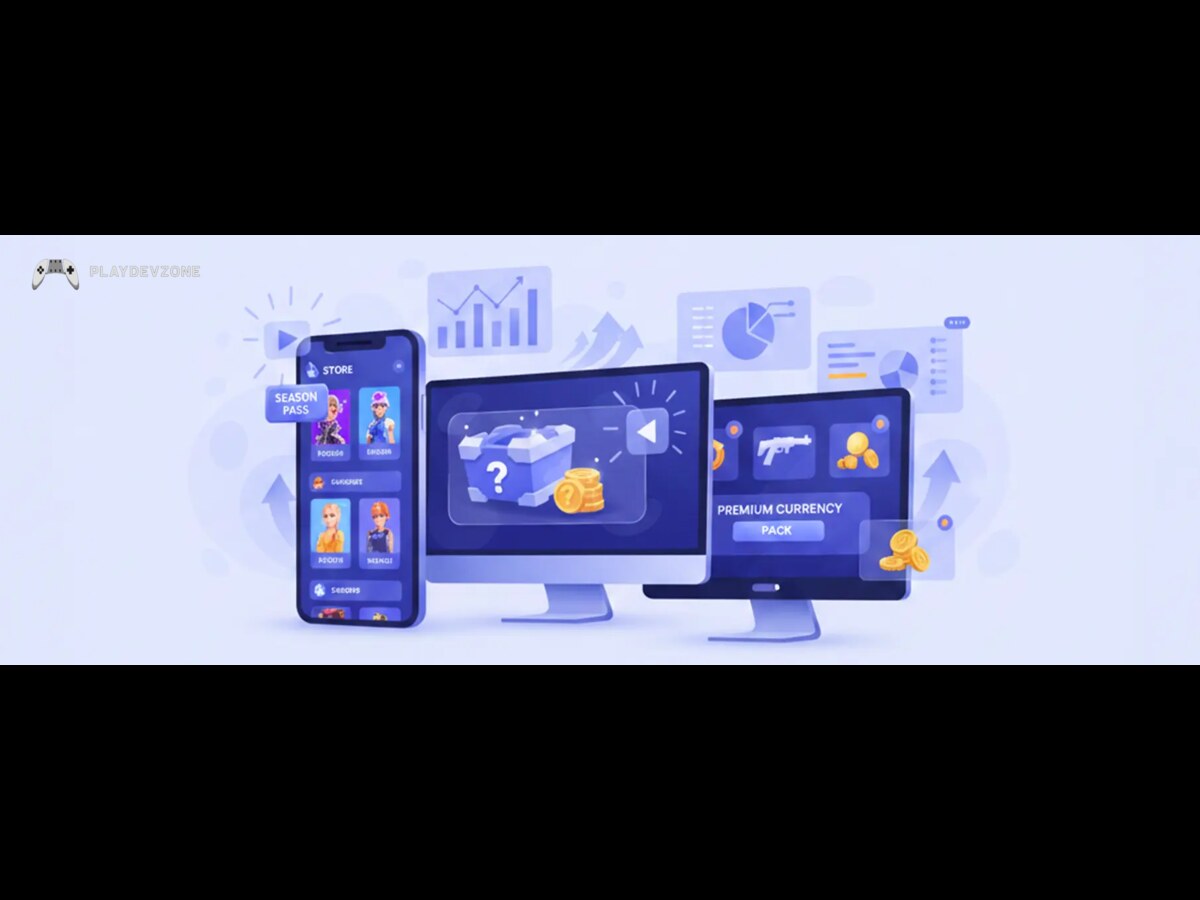
By understanding where revenue is being lost, developers can optimize their games to increase earnings while maintaining a positive player experience.
Whether you're an indie developer, a small studio, or a large game publisher, preventing monetization leaks should be a core part of your game's lifecycle.
From fixing broken in-app purchase flows to eliminating ad fraud and reducing payment failures, every improvement can have a measurable impact on your revenue.
In this guide, you'll learn the most effective techniques for preventing monetization leaks, protecting your game's income, and building a more profitable gaming business.
What Are Monetization Leaks in Gaming Apps?
Monetization leaks are problems within a game that reduce its earning potential by preventing developers from generating the highest possible revenue from their players.
These issues can result from ineffective ad placements, broken in-app purchases, pricing mistakes, or other revenue optimization gaps.
These leaks may occur because of technical bugs, poor monetization design, fraud, security vulnerabilities, or inefficient ad implementation.
Think of your game's revenue system like a water tank. Every player who watches an ad, buys an item, or subscribes adds water to the tank.
A monetization leak is like a hole in that tank money keeps escaping before it reaches your business.
Learning how to prevent monetization leaks in gaming apps starts with identifying these weak points before they become costly.
Why Monetization Leaks Are a Serious Problem
Many developers focus on acquiring more users but overlook revenue optimization. In reality, fixing monetization leaks often increases revenue without spending extra money on marketing.
Some common consequences include:
Lower in-app purchase revenue
Reduced ad earnings
Poor player retention
Increased refund requests
Fake purchases
Subscription cancellations
Higher payment failures
Declining lifetime value (LTV)
Reduced return on investment (ROI)
Common Types of Monetization Leaks
Understanding the different types of leaks is the first step toward effectively preventing monetization leaks in gaming apps.
1. In-App Purchase Failures
Players may attempt to purchase items, but transactions fail due to:
Server errors
Network interruptions
Payment gateway issues
Incorrect product configuration
Store synchronization problems
Each failed purchase represents lost revenue and a frustrated customer.
2. Ad Revenue Loss
Many games rely heavily on advertising. Revenue leaks occur when:
Rewarded ads fail to load
Interstitial ads are skipped
Banner ads are placed poorly
Ad mediation is not optimized
Fill rates are low
CPM optimization is ignored
Poor ad implementation directly reduces advertising income.
3. Fraudulent Transactions
Fraud is one of the largest causes of revenue loss in gaming.
Examples include:
Fake purchases
Chargebacks
Stolen payment methods
Account sharing
Bot-generated purchases
Emulator abuse
Without proper fraud detection, developers lose both revenue and valuable digital goods.
4. Subscription Churn
Games with premium memberships often experience revenue leaks because users cancel subscriptions due to:
Lack of fresh content
Poor onboarding
Confusing pricing
Technical issues
Limited perceived value
Reducing churn significantly improves recurring revenue.
5. Pricing Strategy Problems
Many developers unknowingly underprice premium items or fail to localize pricing for international markets.
Common mistakes include:
Pricing too high
Pricing too low
No regional pricing
Poor value bundles
Missing limited-time offers
Optimizing pricing can increase conversion rates without increasing player numbers.
Major Causes of Monetization Leaks
To learn how to prevent monetization leaks in gaming apps, you first need to understand the common reasons these revenue losses happen.
Identifying the root causes makes it easier to fix issues and maximize your game's earning potential.
Poor Game Economy Design
An unbalanced economy discourages spending.
Examples include:
Rewards that are too generous
Easy premium currency farming
Lack of exclusive content
Weak progression systems
Players who can earn everything for free have little reason to make purchases.
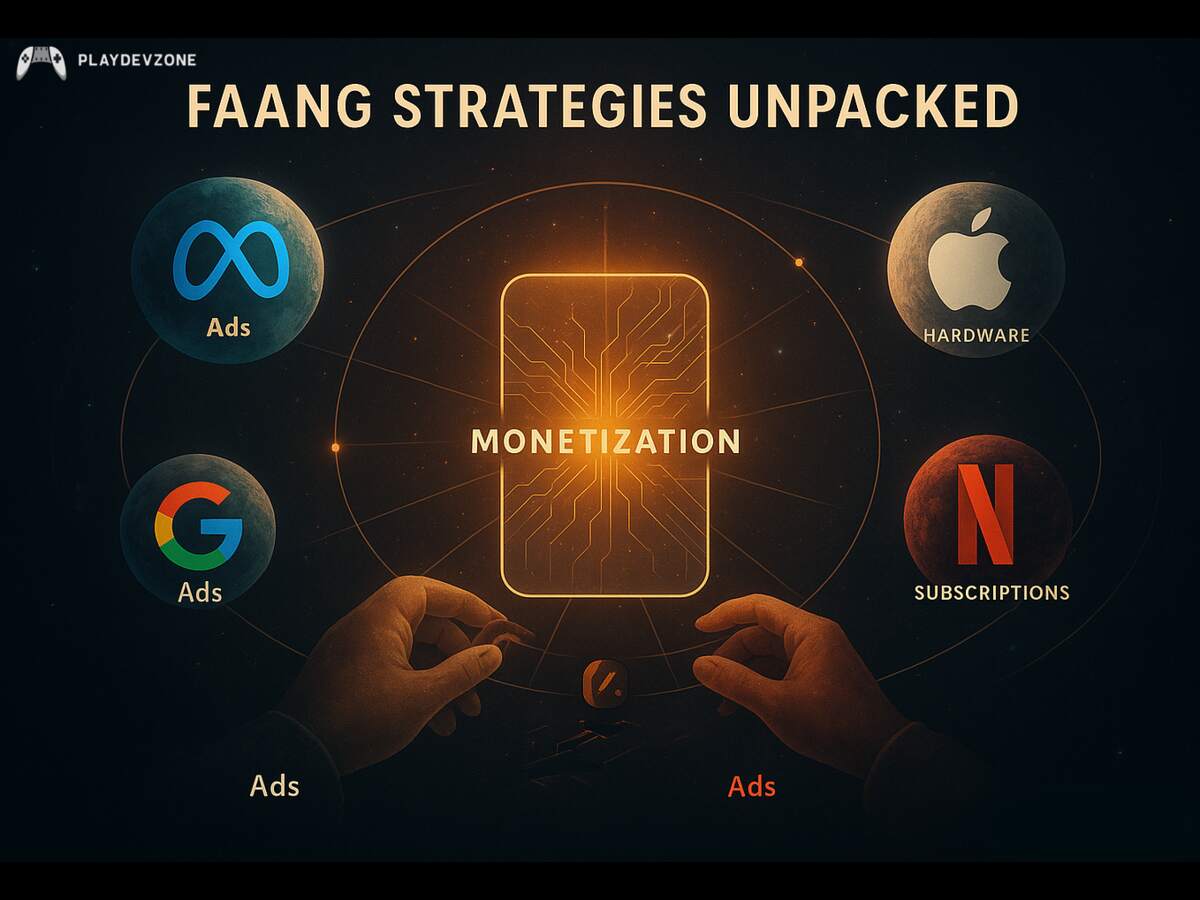
Why Every Game Developer Should Audit Revenue Systems
Many successful studios perform routine monetization audits to ensure every revenue stream works as intended.
These audits examine payment systems, advertising performance, analytics, fraud detection, pricing strategies, and user behavior.
Conducting regular audits is one of the most effective ways to understand how to prevent monetization leaks in gaming apps before they impact profitability.
A proactive approach not only protects revenue but also improves player satisfaction and strengthens long-term business growth.
Validate All In-App Purchases on the Server
One of the biggest mistakes developers make is trusting the client (the game installed on the player's device).
Modified APKs, rooted devices, and hacking tools can fake successful purchases.
Instead, always verify every purchase on your own server using the official APIs provided by app storesPIs provided by app stores.
Best Practices
Validate every purchase server-side.
Reject invalid or duplicate purchase tokens.
Store transaction IDs securely.
Check purchase status before granting rewards.
Log all purchase attempts for auditing.
Server-side validation is one of the most effective ways to prevent fraudulent purchases and protect your revenue.
Optimize Rewarded Video Ads
Rewarded ads are among the highest-performing monetization methods in mobile games, but poor implementation can reduce revenue.
Best Practices
Reward players only after the ad finishes.
Detect failed ad loads.
Use fallback ad networks.
Avoid showing the same ad repeatedly.
Test reward timing carefully.
Rewarded ads should feel optional and valuable rather than forced.

Use Ad Mediation
Depending on a single advertising network often results in lower fill rates and reduced eCPM.
Ad mediation automatically selects the highest-paying ad network for each impression.
Benefits
Higher ad revenue
Better fill rates
Improved competition between networks
Increased global earnings
Better user experience
Using multiple ad networks helps maximize every available ad impression.
Optimize Subscription Retention
Subscription-based games can lose recurring revenue when players cancel due to poor engagement.
Improve Retention By
Releasing regular content updates.
Offering exclusive subscriber rewards.
Sending renewal reminders.
Providing flexible subscription options.
Rewarding long-term subscribers.
Keeping existing subscribers is often more profitable than acquiring new ones.
Improve the In-Game Store Experience
A confusing or cluttered store discourages purchases.
Create a Better Store By
Organizing items into clear categories.
Highlighting popular offers.
Displaying limited-time deals.
Showing value comparisons.
Simplifying the checkout process.
An intuitive store increases player confidence and purchase conversions.
Monitor Key Monetization Metrics
Regularly tracking performance metrics helps you identify leaks before they become major problems.
Important metrics include:
Metric
ARPU
ARPPU
LT
Purchase Conversion Rate
Ad Fill Rate
eCPM
Retention Rate
Refund Rate
Why It Matters
Average revenue generated per user
Revenue from paying users
Long-term player value
Percentage of players who make purchases
Percentage of successful ad requests
Revenue per thousand ad impressions
Player engagement over time
Indicates payment or satisfaction issues
Use Analytics to Detect Monetization Leaks
Without analytics, identifying revenue leaks becomes nearly impossible.
Analytics reveal how players interact with your monetization system, where they abandon purchases, and which features generate the highest revenue.
Benefits of Analytics
- Monitor purchase success rates
- Track ad impressions and revenue
- Measure player engagement
- Identify drop-off points
- Analyze spending behavior
- Detect suspicious activity
- Improve monetization funnels
The more data you collect, the easier it becomes to understand how to prevent monetization leaks in gaming apps effectively.
Build a Secure Payment System
A secure payment system is one of the strongest defenses against revenue loss.
Security Best Practices
- Validate receipts on the server.
- Use HTTPS for all communications.
- Encrypt payment information.
- Store minimal sensitive data.
- Require secure authentication.
- Monitor duplicate transactions.
- Log payment failures.
Players are more likely to spend money when they trust your payment process.
Optimize Your Monetization Funnel
Think of your monetization process as a funnel.
Example:
- Player installs game
- Completes tutorial
- Reaches first purchase opportunity
- Views special offer
- Makes purchase
- Becomes repeat customer
If many players leave at one step, you've found a monetization leak.
Improving each stage increases your overall revenue without acquiring additional users.
Common Mistakes Developers Make
Avoid these costly mistakes:
Trusting Client Data
Never assume the game client is secure. Players can modify local files.
Ignoring Analytics
Without analytics, revenue problems often go unnoticed for months.
Showing Too Many Ads
Too many ads frustrate players and reduce retention.
Weak Pricing Strategy
Bundles that don't offer clear value often have low conversion rates.
Poor Store Design
A cluttered or confusing in-game store discourages purchases.
Delayed Bug Fixes
Even small payment bugs can lead to significant revenue loss over time.
Monetization Leak Prevention Checklist
Use this checklist before every major update:
- Server-side purchase validation enabled
- Premium currency stored securely
- Rewarded ads tested
- Ad mediation configured
- Payment failures monitored
- Fraud detection active
- Subscription renewals tested
- Store prices reviewed
- Analytics dashboard updated
- A/B tests completed
- Refund rates monitored
- Anti-cheat systems active
- Checkout flow optimized
- User feedback reviewed
- Monetization KPIs analyzed
Running through this checklist regularly helps ensure your monetization systems remain reliable and profitable.
Best Practices for Long-Term Revenue Growth
Preventing monetization leaks is an ongoing process. To maintain healthy revenue over time:
- Release regular content updates.
- Balance your in-game economy.
- Reward loyal players.
- Test monetization changes gradually.
- Monitor KPIs after every update.
- Respond quickly to player feedback.
- Keep SDKs and payment libraries updated.
- Review security measures periodically.
Consistent optimization is key to sustaining revenue and player satisfaction.

Future Trends in Preventing Monetization Leaks
The gaming industry continues to evolve, and so do the methods used to secure revenue. Developers who stay ahead of these trends will be better equipped to maximize earnings while delivering a fair experience for players.
1. AI-Powered Fraud Detection
Artificial intelligence has become a powerful solution for detecting fraudulent transactions, fake user accounts, and automated bot activity in gaming apps.
By analyzing millions of transactions in real time, AI can identify suspicious behavior early, helping developers prevent revenue loss and protect their monetization strategy.
Benefits
- Faster fraud detection
- Reduced false positives
- Improved account security
- Better player trust
2. Cloud-Based Game Security
Modern games increasingly rely on cloud infrastructure to store player progress, premium currency, and purchase history securely.
Advantages include:
Reduced cheating
Better data synchronization
Secure player authentication
Improved scalability
3. Personalized Monetization
Instead of showing identical offers to every player, developers are using analytics to provide personalized bundles and discounts based on player behavior.
Examples include:
Starter packs for new players
Seasonal discounts
VIP rewards
Personalized subscription offers
Personalization increases conversion rates while improving player satisfaction.
4. Privacy-First Analytics
As privacy regulations become stricter, developers should focus on collecting only the data necessary to improve gameplay and monetization. Transparent data practices help build trust with players and reduce compliance risks.

Frequently Asked Questions
What are monetization leaks in gaming apps?
Monetization leaks are problems that prevent a game from reaching its full revenue potential.
These losses can be caused by software bugs, failed payment transactions, fraudulent activities, ineffective pricing models, or poorly optimized advertising systems.
Why is server-side purchase validation important?
Server-side validation confirms that purchases are legitimate before rewards are granted.
This helps prevent fake purchases, duplicate transactions, and other forms of payment fraud.
Can ad placement affect game revenue?
Server-side validation confirms that purchases are legitimate before rewards are granted.
This helps prevent fake purchases, duplicate transactions, and other forms of payment fraud.
How often should developers monitor monetization metrics?
Reviewing key metrics at least once a week is recommended. Daily monitoring is even better for games with a large player base or frequent updates.
How does A/B testing improve monetization?
Server-side validation confirms that purchases are legitimate before rewards are granted.
This helps prevent fake purchases, duplicate transactions, and other forms of payment fraud.
Is ad mediation worth using?
Yes. Ad mediation helps maximize revenue by selecting the highest-paying ad network for each impression, increasing both fill rates and effective CPM.
Conclusion
Learning how to prevent monetization leaks in gaming apps is essential for any developer who wants to build a profitable and sustainable game.
Revenue loss is often caused by preventable issues such as failed purchases, weak security, ad fraud, poor pricing, or an unoptimized player experience.
By implementing server-side purchase validation, protecting premium currency, optimizing ad performance, monitoring analytics, and regularly testing your monetization systems, you can significantly reduce revenue leaks and improve your game's overall profitability.
Remember that monetization is not just about increasing income; it's also about creating a trustworthy and enjoyable experience for players.
A secure, well-designed monetization strategy benefits both your business and your community.