

Introduction
Launching a great mobile game is only half the challenge. Thousands of new games are published every month on the Google Play Store and Apple App Store, making it difficult for indie developers to stand out.
Even a polished game with impressive graphics and engaging gameplay can struggle if players never discover it.
This is where mobile game marketing becomes essential. A well-planned marketing strategy helps your game reach the right audience, increase downloads, improve retention, and generate more revenue without relying entirely on expensive advertising.
Whether you're developing your first Android game with Unity or publishing a Godot project, learning how to promote your game effectively is just as important as writing clean code or designing engaging levels.
In this guide, you'll learn practical marketing strategies that indie developers can use before launch, during release, and after publishing.
From App Store Optimization (ASO) and social media promotion to influencer outreach and community building, every technique is designed to help you grow your game organically while keeping your marketing budget under control.
Why Mobile Game Marketing Matters
Many indie developers spend months building an amazing game, but dedicate only a few hours to marketing it.
Unfortunately, the mobile gaming market is highly competitive, and simply publishing a game does not guarantee downloads.
An effective mobile game marketing strategy helps you:
Increase organic downloads
Build a loyal player community
Generate more reviews and ratings
Reduce user acquisition costs
Increase in-app purchases and ad revenue
Create long-term brand recognition
Think of marketing as part of game development rather than something you do after releasing your game.
The earlier you start promoting your project, the easier it becomes to attract players on launch day.
Understanding the Mobile Game Marketing Funnel
Successful developers don't focus only on getting downloads. Instead, they guide players through a complete marketing funnel.
1. Awareness
Players first discover your game through search engines, YouTube, social media, gaming communities, or app store searches.
Your goal is to make as many relevant players aware of your game as possible.
2. Interest
Once users visit your game page, they evaluate:
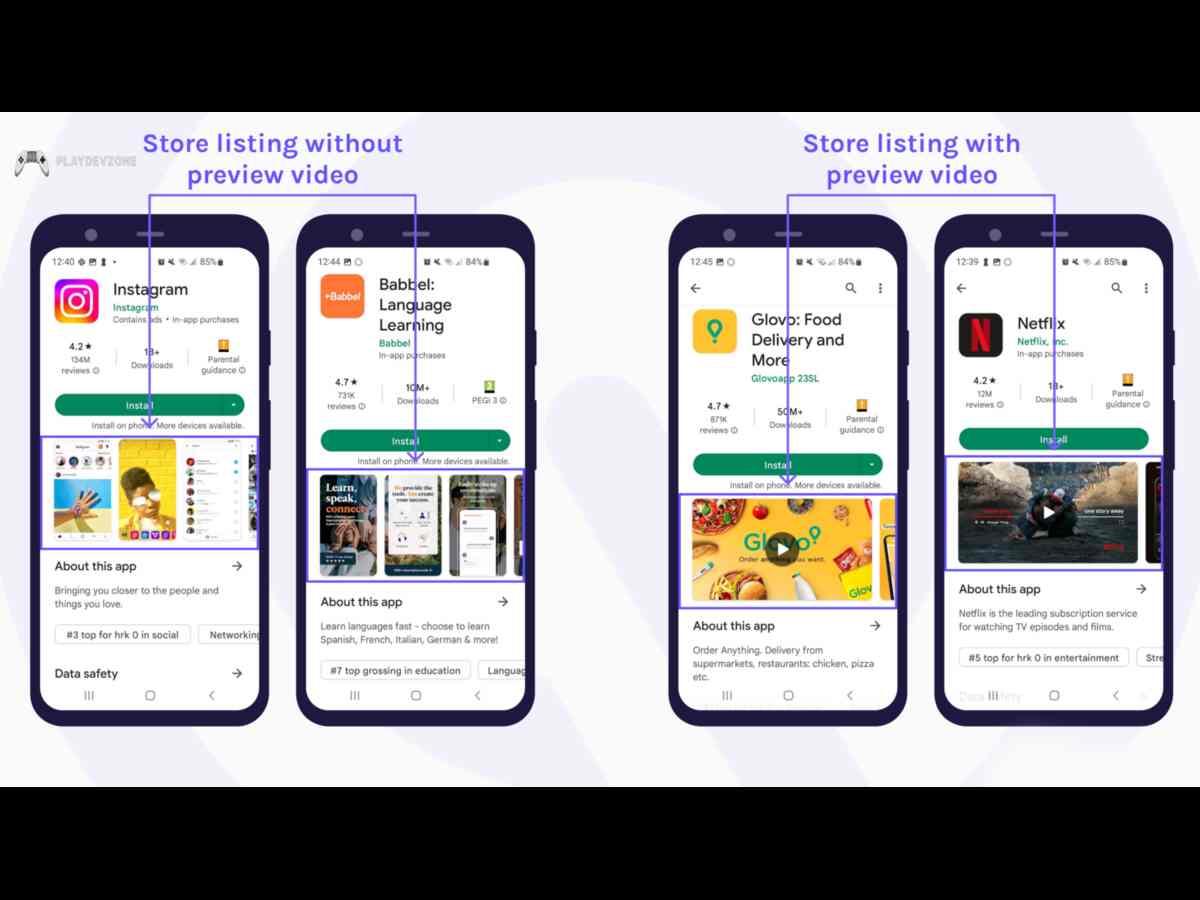
Screenshots
Game trailer
Description
Ratings
Features
A professional store listing significantly improves conversion rates.
3. Download
If your app listing is optimized and trustworthy, visitors install your game.
Factors affecting downloads include:
Attractive app icon
Clear title
ASO keywords
Positive reviews
Fast loading store assets
4. Engagement
Downloads alone don't guarantee success.
Players should continue playing through:
Daily rewards
Missions
Achievements
New updates
Bug fixes
Fresh content
Higher engagement improves store rankings.
5. Retention
You can improve retention using:
Push notifications
Seasonal events
Login rewards
Community events
New game modes
Set Clear Marketing Goals Before Launch
Before promoting your game, define measurable goals.
Examples include:
Goal
Downloads
Rating
Retention
Revenue
Wishlist (if applicable)
Community
Example
10,000 installs in 90 days
Maintain 4.5+ stars
30% Day-7 retention
$1,000 monthly income
Build an audience before launch
Reach 5,000 Discord members
Without clear objectives, it's difficult to measure whether your marketing efforts are successful.
Know Your Target Audience
One of the biggest mistakes indie developers make is trying to market their game to everyone.
Instead, identify players based on:
Age group
Country
Gaming interests
Preferred platform
Spending habits
Casual or hardcore gamer
Online communities they follow
For example, a hyper-casual mobile game requires a different marketing strategy than a multiplayer RPG or a strategy game.
Understanding your audience allows you to create better advertisements, improve your store listing, and communicate with players in ways that resonate with them.
Best App Store Optimization (ASO) Strategies
App Store Optimization (ASO) is the process of improving your game's visibility on the Google Play Store and Apple App Store.
A strong mobile game marketing strategy always begins with ASO, as it attracts organic users actively searching for games like yours.
Research the Right Keywords
Before publishing your game, research keywords that your target audience actually searches for. Instead of choosing broad terms with heavy competition, focus on relevant keywords that match your game's genre and features.
For example, if you've developed a puzzle game, target phrases related to puzzle gameplay rather than generic keywords like "game" or "mobile game."
Tips for better keyword research:
Study competitor game titles and descriptions.
Use Google Play search suggestions for ideas.
Check Google Keyword Planner for search demand.
Build a list of primary and related keywords.
Avoid stuffing keywords unnaturally.
The right keywords improve discoverability and help your game reach players who are already interested in similar experiences.
Optimize Your Game Title
Your game title is one of the strongest ranking signals in ASO.
A good title should:
Include your brand or game name.
Contain one important keyword naturally.
Be easy to read and remember.
Avoid keyword stuffing.
Example
Correct: Puzzle Game Fun Best Offline Puzzle 2026
Wrong: Puzzle Quest – Offline Brain Challenge
The second title is cleaner, easier to remember, and more likely to earn clicks.
Write a High-Converting Store Description
Your app description should do more than explain gameplay. It should convince visitors to install your game.
A well-written description should:
Explain what makes the game unique.
Highlight key gameplay features.
Mention game modes.
Include progression systems.
Describe rewards or multiplayer features.
End with a strong call to action.
Use relevant keywords naturally throughout the description without repeating them excessively.
Design an Eye-Catching App Icon
Your app icon is often the first thing players notice.
An effective icon should:
Be simple and recognizable.
Use bold colors.
Represent your game's theme.
Look clear even at small sizes.
Avoid unnecessary text.
A professional icon can improve click-through rates and increase installs.
Create High-Quality Screenshots
Screenshots should tell the story of your game.
Instead of uploading random gameplay images, arrange them to showcase your strongest features.
A good screenshot sequence might include:
Main gameplay
Character customization
Boss battles
Multiplayer mode
Rewards system
Special abilities
Daily challenges
Leaderboards
Add short captions to explain each feature, making it easier for users to understand the game's value at a glance.
Encourage Positive Ratings and Reviews
Ratings and reviews play a major role in building trust.
Happy players are more likely to leave positive feedback if you ask at the right time.
The best moments include:
After completing a level.
After unlocking an achievement.
Following a successful game session.
After receiving a reward.
Never interrupt gameplay with review requests, as this can frustrate players.
Common ASO Mistakes to Avoid
Many indie developers unknowingly make mistakes that reduce visibility.
Avoid these common issues:
Using irrelevant keywords.
Repeating the same keyword excessively.
Uploading low-quality screenshots.
Ignoring user reviews.
Writing overly long descriptions.
Forgetting to update store assets.
Misleading players with inaccurate screenshots or videos.
Pre-Launch Mobile Game Marketing Strategy
Many indie developers start promoting their game only after publishing it.
By then, they've already missed one of the biggest opportunities to build excitement and attract early players.
A successful mobile game marketing campaign begins weeks or even months before launch.
Building an audience early increases your chances of getting more installs, reviews, and engagement on release day.
Build a Landing Page Before Launch
A simple landing page gives potential players a place to learn about your game before it's available.
Your landing page should include:
Game title and logo
Short game description
Gameplay screenshots
Trailer or teaser video
Release date (if confirmed)
Email signup form
Social media links
A landing page also helps you collect email subscribers who are interested in your game.
Share Development Progress on Social Media
People enjoy following the journey behind a game.
Post regular updates on platforms like:
X (formerly Twitter)
TikTok
LinkedIn (for game development insights)
Share content such as:
Gameplay clips
New character reveals
Behind-the-scenes development
Animation previews
Bug fixes
Feature announcements
Consistency is more important than posting every day. Even a few quality posts each week can help build an audience over time.
Start a YouTube Channel
Video content allows players to experience your game before downloading it.
Ideas for videos include:
Gameplay trailers
Development diaries
Feature showcases
Update announcements
Level design walkthroughs
Behind-the-scenes videos
Optimize your video titles, descriptions, and thumbnails so they can also appear in Google and YouTube search results.
Prepare a Professional Press Kit
A press kit makes it easier for journalists, bloggers, and creators to cover your game.
Include:
Game logo
Screenshots
Feature graphic
Trailer
Developer bio
Game description
Contact information
Store links after launch
Having everything in one place saves time and presents your project professionally.
Post-Launch Mobile Game Marketing Strategies
Publishing your game is just the beginning. The most successful indie developers continue promoting and improving their games long after launch.
A consistent mobile game marketing plan helps you attract new players while keeping existing ones engaged.
Keep Releasing Regular Updates
Players are more likely to stay active when they see fresh content.
Consider adding:
New levels
Seasonal events
Characters or skins
Limited-time rewards
Performance improvements
Bug fixes
Quality-of-life updates
Regular updates also encourage existing players to return and can improve your app store visibility.
Use Paid Advertising Wisely
Organic marketing should be your foundation, but paid ads can help accelerate growth when used strategically.
Popular advertising platforms include:
Google App Campaigns
Meta Ads (Facebook & Instagram)
TikTok Ads
Apple Search Ads
If you're working with a small budget, start with a single campaign, monitor the results, and scale only when you achieve a positive return on investment (ROI).
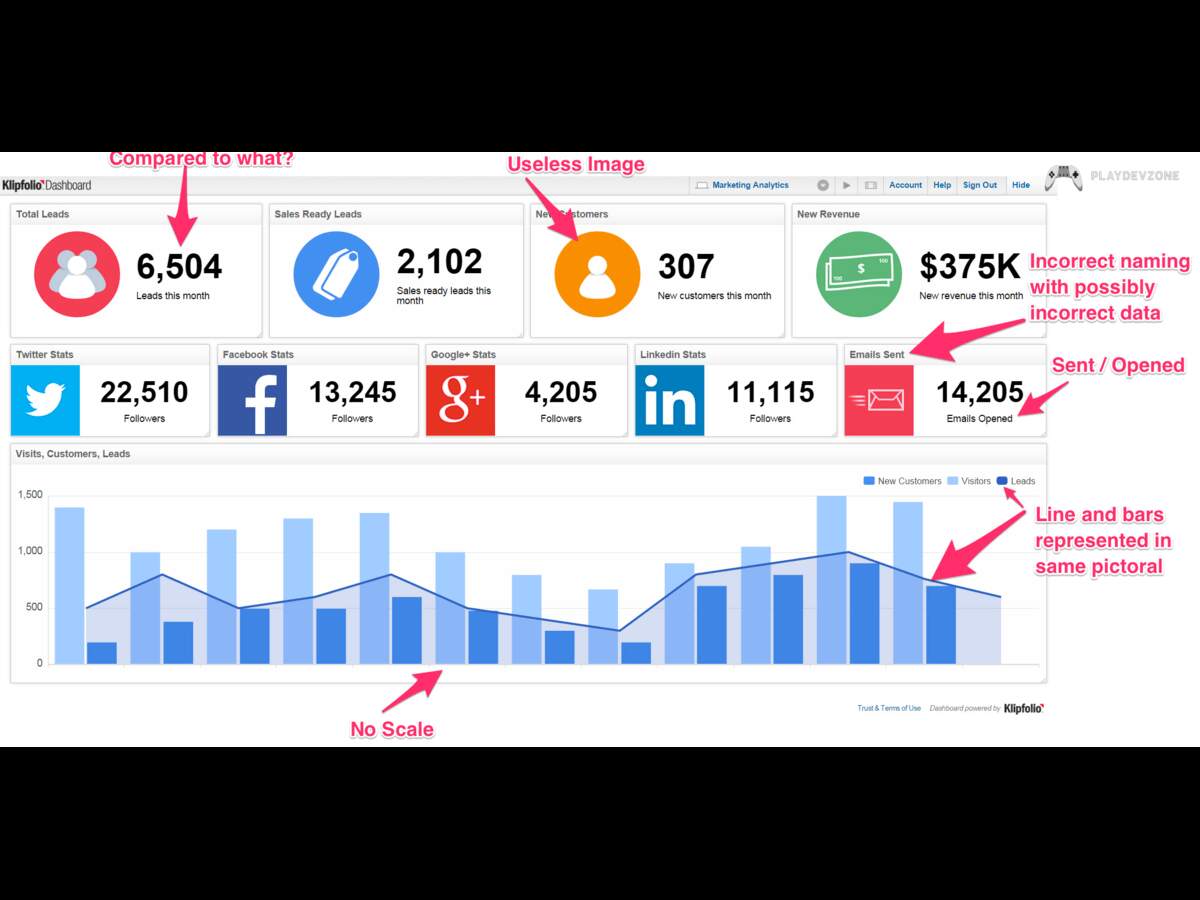
Monitor Analytics Regularly
Marketing decisions should always be based on data rather than assumptions.
Track important metrics like:
Metric
Installs
Retention Rate
Session Length
Daily Active Users (DAU)
Monthly Active Users (MAU)
Conversion Rate
Average Revenue Per User (ARPU)
Why It Matters
Measures user acquisition
Shows how many players return
Indicates player engagement
Measures daily activity
Shows long-term growth
Measures store page performance
Tracks monetization efficiency
Common Mobile Game Marketing Mistakes
Even experienced developers can make marketing mistakes that limit their game's growth.
Avoid these common issues:
Launching without a marketing plan.
Ignoring App Store Optimization.
Focusing only on downloads instead of player retention.
Buying fake installs or reviews.
Stopping promotion after launch.
Neglecting analytics.
Ignoring community feedback.
Expecting instant success.
Long-term consistency usually delivers better results than short-term marketing spikes.
FAQ (Frequently Asked Questions)
What is mobile game marketing?
Mobile game marketing is the process of promoting a game before and after launch to increase visibility, downloads, player engagement, and revenue through strategies such as ASO, social media, influencer outreach, and paid advertising.
What is ASO in mobile game marketing?
ASO (App Store Optimization) improves your game's visibility on app stores by optimizing the title, description, keywords, screenshots, icon, and other listing elements to attract more organic installs.
How can indie developers promote a mobile game for free?
Free promotion methods include:
App Store Optimization
Social media content
YouTube videos
Discord communities
Reddit participation
Email newsletters
Blogging
Community engagement
How long does mobile game marketing take to show results?
Organic marketing usually takes several weeks or months. Consistent updates, ASO improvements, and community building generally produce better long-term growth than expecting immediate results.
Are paid ads necessary for mobile game marketing?
No. Many indie developers achieve success through strong ASO, engaging content, community building, and consistent promotion.
Paid ads can help accelerate growth, but are not required for every project.
What is the biggest mistake in mobile game marketing?
The biggest mistake is waiting until launch day to begin promotion.
Building an audience before release gives your game a stronger start and increases the chances of gaining early downloads and positive reviews.
Conclusion
Creating a successful mobile game requires more than great gameplay.
Without a clear mobile game marketing strategy, even high-quality games can struggle to reach their audience.
By combining strong App Store Optimization, consistent content creation, community engagement, influencer outreach, and data-driven improvements, indie developers can steadily grow their player base and improve long-term success.
Remember that marketing is an ongoing process. Keep testing new ideas, analyzing results, listening to player feedback, and updating your game regularly.
Over time, these efforts can lead to higher visibility, better player retention, and sustainable growth.